Sunday, June 8, 2014

Catch-up

It has been quite some time since I last posted. For my readers, I apologize. Just to give some backdrop before starting back up, I picked up a second job at a restaurant to gain some experience before I head into my internship in September. Oh, I was accepted into an internship and will soon be at a Sodexo site. As such, I have been routinely working 60 hours plus per week. Hence, no posts. However, that should not be an excuse. Though I am still neck deep in work now, I want to make it a mission to keep posting.


Let's dive right back in.

I got a question from a client the other day: how would I classify my dieting?

First off, I don't truly believe in 'diets' or 'dieting'. I believe in an eating lifestyle. Sometimes this lifestyle calls for a 'plan' that you use to achieve a certain goal. Sometimes, you have no plan at all and just eat whatever the hell you want. Using this same logic, a 'diet' could cause someone to not only lose weight, but also to gain weight. But in our society, people are so wrapped up in the idea that a diet is used to lose weight that they lose sight of the multi-pronged abilities of diets. Hence, I prefer not to use a term that has a social stigma attached to it. 

Asides from what I call my 'dieting' philosophy, I generally use the 'If It Fits Your Macros', or IIFYM, principles. I chose to go this route because I feel it provides the most 'flexibility' when it comes to food choices. Extremely reputable people like Alan Aragon, Layne Norton, and Eric Helms spear-heading it helps, too. 

So, what is IIFYM?

Essentially, you track and hit your macronutrient, or macro, goals. Your macronutrients are the food nutrients that are tracked in grams and used for energy--fats, protein, carbohydrates. Like any other eating plan, it does require making sure you are eating within the parameters of your goals, but it allows 'flexibility' in that it does not condone you for eating junk, so long as you don't exceed your fat, protein, or carbohydrate daily targets. In so many words, you can substitute macronutrients for macronutrients

Yes. Source

This type of eating plan does not dictate that you stay 'clean' (whatever the hell that means) 6 days out of the week and then binge at the end. If you have intense chocolate cravings at 3PM, why wait? Just eat it and adjust your following meals accordingly. 

'But if I don't eat clean, what do I eat?' See the picture above.

Anything you can eat and break down for energy--doughnuts included--contains fats, protein, and/or carbohydrates. A doughnut will have carbohydrates (sugar), fat, and some protein. Therefore, if you want a doughnut, you will eat a doughnut, but ensure that it replaces, not adds, to what you would normally eat. If a doughnut has 50g of carbohydrates and you planned on eating a 1/2 cup of rice, then you would eat a doughnut and not rice. Simple, right?

Why do I feel this is effective? Because for long-term results, moderation is key. I am willing to stake my life on the theory that more people will adhere to eating plans better if they are allowed a little bit of junk on a consistent basis rather than a lot of junk on a seldom basis. Why do I think this? Because my clients tell me so. As a trainer, I work with people of varying backgrounds. They are businessmen, or women, photographers, bankers, or housewives. Many of them simply cannot stay 'clean' until the weekend because of business functions. But as long as they know how to read food labels (and you should, more on that later), they are in safe waters.

At first, understanding and undertaking IIFYM may seem intimidating. What foods contain what? How do I calculate the rest of my macros if I eat this raspberry truffle? Is it OK if I add 1/2 teaspoon extra of olive oil? By the way, 1/2 teaspoon of olive oil won't make a lick of difference. But keep practicing and it becomes mechanical, like driving, and you will only reap the benefits: freedom. 


With that out of the way, let's get into how to break down IIFYM into what you readers really want to see: numbers and guidelines.

Protein: I generally like to start clients at 1.0g per pound of bodyweight, unless they are severely overweight.
Fats: I generally set this at 0.4-0.5g per pound of bodyweight.
Carbohydrates: This depends on a client's goal. However, I generally do not dip below a client's amount of lean body mass (LBM), or total body weight minus fat mass. For example, if you are 180 pounds and know that you have 20% bodyfat, then you make this calculation: 180 * .20 = 36 ---> 180 - 36 = 144 pounds of lean body mass. On any given eating plan, you will not go below 144g of carbohydrates per day. What if you don't know your LBM? Then I suggest starting your carbohydrates at 150g.

For fat-loss: I generally prescribe clients to eat enough carbohydrates to cover their LBM in grams or 1.25 of it per day. 

For muscle-gain: I generally prescribe clients to eat enough carbohydrates to cover 2.0 times their LBM per day. 

Like with any other eating plan, monitor your progress. After two weeks, if you do not see the scale move, then nudge calories in the appropriate direction. 

Wrapping up, I feel that IIFYM is an optimal way to structure your eating plan. It provides you the reprieve of going 'out of bounds' without feeling guilty, but also allows you maintain a sustainable lifestyle. After all, research shows that over 90% of dieters cannot maintain their efforts after two years. What good is dieting if everything you have done falls apart after two years? Worse yet, those dieters who revert back re-gained all of their weight and then some.

If you have any questions, don't hesitate to ask. 

Live life strong. 

Friday, February 14, 2014

2/14/2014 - Deadlift

Funky Friday: Happy Valentine's Day

To all of you cute readers,


You are all cute. Source

And if you don't like chemistry,


Celebrate V-day with a cute dog. Source

Enjoy your Valentine's day, whether you're single, dating, or married. 

On the other fronts, let's make sure you are still working hard towards your goals. After all, if you are like most Americans and made a bunch of silly resolutions, it's about that time that you begin to break them. This is why it is a waste of time to make resolutions. So rather than do that worthless crap, make it a habit to do the things you need to do rather than using a new year as an excuse.

Are you keeping a food journal that keeps track of what, when, and how much you eat? If not, why? Don't say it's because taking a few seconds to write down some words is a hassle. Does looking good naked sound like a hassle to you? What about having more confidence, strength, a six-pack? 

Are you resistance training 2-4 times per week with an intensity that I would approve of? Basically what this means is that you are actually doing big compound movements that work many muscle groups rather than using pink dumbbells for triceps kickbacks. 

Are you moving at a lower intensity every day? The northeast was obliterated by a massive snow storm this week. Winds were up, it was raining, and many stores were closed. So what? Did you walk or at least do something indoors? 

ON YOUTUBE

Ran across this inspirational commentary given by a Texas sportscaster in regards to a gay male football player coming out before the NFL draft. Give it a listen and let it move you.


NUTRITION

I am going to piggyback on my article on gut health because I ran across a recent study released this year about how certain fats and carbohydrate combinations can affect gut health and blood lipids. 32 rats were divided into 4 groups with 8 members each. There were four combination diets:

_ lard (saturated fat) with fructose (simple carbohydrate)
_ lard with corn starch (complex carbohydrate)
_ soybean oil (unsaturated fat) with fructose
_ soybean oil with corn starch

After 4 weeks, researchers found that the rats on the LCS diet had the highest levels of butyrate in their feces, a short-chain fatty acid. Remember SCFA? They are crucial for well-being, intestinal health, and can inhibit cancer cell growth (1). On the other hand, rats that were fed the SF diet had the lowest levels of butyrate, indicating abnormal gut flora health and balance. Then, the rats that were on the LF diet exhibited marked increases in blood lipids--triglycerides--and an increased artherogenic index. What this means is that these rats had five times the higher risk of having heart disease. The take-away? Though the test was done on rats, previous studies on humans have also shown that vegetable oils and fructose have a lower health threshold when it comes to intake and that it requires less of a dose of them to bring about detrimental effects on your health (2, 3, 4)

This study reinforces why you should avoid eating a high-fructose and vegetable oil diet. Additionally I am not inferring that lard is alright, because I don't recommend high consumption of that, either.

Stay accountable. Work hard and keep it up.

Questions? Comments? Drop a line.

REFERENCES

1. Zuo L, et al. Butyrate suppresses proliferation and migration of RKO colon cancer cells though regulating endocan expression by MAPK signaling pathway.  2013 Oct 25.

2. Richard P. Bazinet and Michael W.A. Chu. Omega-6 polyunsaturated fatty acids: Is a broad cholesterol-lowering health claim appropriate? Canadian Medical Association Journal, November 2013

3. Nunes PM, et al. Dietary lipids do not contribute to the higher hepatic triglyceride levels of fructose- compared to glucose-fed mice.  2014 Feb 5.

4. Basaranoglu M, et al. Fructose as a key player in the development of fatty liver disease.  2013 Feb 28;19(8):1166-72.

Thursday, February 13, 2014

Gut Check: Using Your Gut Instincts for Health

"Trust your gut", "gut check", and "gut instincts". All quotes related to how your gut can determine a course of action or consequence. Many people, especially businessmen, have been quoted that instead of relying on planning and such, they rely on their gut. To many, trusting your gut can be called that domain's sense. For our businessman example, it can be considered 'business sense', a natural intuition for a given specialty, and the gut is always right.

If this is a health and fitness blog, why am I talking about business? Because the same way that gut instincts works in a psychological way for entrepreneurs, the gut works in a physiological way in health. Even in health and fitness, the gut is always right. And if the gut is functioning properly in the human body, you can bet that you will prosper and not suffer from poverty of health. 


THE GUT

The human microbiome refers to the community of micro-organisms that live inside of our bodies. They include bacteria, fungi, and archaea. We can find them everywhere, from our tongue to our skin. But when I talk about the gut, I am referring specifically to the gut microbiota or gut flora, the billions of micro-organisms that are living inside the large intestine. These small organisms make up the majority of the human microbiome and have been in our collective genetic history since the dawn of the dinosaurs, having lived in general harmony with us. And since evolution and natural selection place pressure on things that are unnecessary in the human body, there are good reasons why they are still around. 


The lower gastro-intestinal tract. Source

Just some general facts out of the way:

_ the amount of micro-organisms presiding in our GI tract outnumbers human cells 10 to 1
_ science has discovered 500-1000 different species 
_ gut flora are anaerobes, organisms that do not require oxygen to survive 
_ most do not harm us; in fact, they are involved in metabolic processes required for health
_ you can upset a favorable balance of gut flora to an unfavorable one
_ unfavorable gut flora has been implicated with health consequences 


HOW DOES GUT HEALTH IMPACT OUR OVERALL HEALTH?

Because of their prevalence in our bodies, bacteria have a profound influence on your health. Your health through gut flora is achieved through many different ways, such as diet, immune health, and infections. Just to give you an idea of how an unhealthy gut flora can impact health is an infection of Clostridium dificile. C. diff is a terrible infection to have that is distinguished by a marked imbalance of gut flora. Interestingly, one of the best ways to treat the infection is though fecal transplantation, or adopting another person's gut flora by... shuttling their feces through your nose via tube. Sounds disgusting, yet it's true. The treatment 'resets' your gut flora and emphasizes growth of beneficial bacteria. 

In terms of general health, the gut flora can work in the same way. In fact, a study done in 2006 showed that those who are obese have an abnormal gut flora (1). Further, a study done on mice in 2008 found that mice that had a 'lean' community of gut flora remained lean through the study while the mice group with the 'obese' gut flora community gained weight (2). If that wasn't enough, a review done in 2013 pooled together relevant studies showing that a gut 'dysbiosis' (imbalance) contributed to insulin resistance, a state in which your body's cells do not respond normally to insulin, a hormone responsible for clearing sugar from the blood (3). What is chin-scratching interesting is that the gut flora of obese individuals 'harvest' more energy from food, making their metabolism more efficient.  

This is where research has been getting fervent in recent years. Many researchers are getting on board the ship that postulates that gut flora has a direct influence on whether you get fat or not by using mouse models. And though mouse models are not perfect, they are the best shot in the dark. Over time, more and more compounds have been getting discovered. For example, fasting-induced adipose factor (Fiaf) is a compound that is produced during fasting (another reason to fast) and is released by several cells in our body. During gut dysbiosis, fiaf levels are decreased and mouses gain weight amazingly easier than their counter-parts with sufficient levels of fiaf (7). 

But that's not all. Interestingly, 70-80% of your immune system is located in your GI tract, which means that the state of your gut flora has a direct influence on how well your body's immune defenses hold up in the face of adversity (4). These little buggers are the archers of your castle walls. If they go down, infections can cross the boundary easier and invade. 


Keep 'em up. Source

An overgrowth of bacteria in the small intestine in a condition known as Small Intestinal Bacterial Overgrowth (SIBO) is a nasty set-up where you can suffer minor symptoms such as nausea, gas, and constipation to severe ones like malnutriton, intestinal permeability (leaky gut), and anemia. You don't want any of these. As you can see, things can go awry in a real hurry if the balance isn't kept in check. So what can you do to improve gut health?


HOW CAN YOU IMPROVE YOUR GUT HEALTH?

You can improve your gut health through two main courses: diet and supplementation. 

Diet

Through diet, you have to be more careful in what you choose to eat. The gut flora responds, and quite quickly, to what you eat. In a study done by a Duke researcher, his team found that a diet consisting of only meats and cheeses produced a bacterial community that is conducive to irritable bowel syndrome, whereas a diet consisting of only plants produced a more favorable gut flora (5). Of course, these two diets are at extreme ends of each other and the subjects were only on the diets for three days, but the study shows what kind of impact dietary changes have on the body. 

Although the above study may say you should stay away from cheeses and meats, that is not the case. The meat and cheese diet produced bacteria that love 'bile', a compound that is necessary for proper fat digestion and absorption. Without enough bile, you will run into absorption issues and may eventually develop nutrient deficiencies. Balance and moderation are key. 

Gut flora loves fiber. Normally**. They need it because that is their form of energy, the same way whole foods is our energy. Once fiber reaches the colon, the little suckers break down fiber and form short-chain fatty acids (SCFA) that are then used to repair, energize, and maintain the cells of the small intestine and others. But fat... isn't too much bad for you? SCFA are in a different league and have been shown to improve insulin sensitivity and decrease inflammation (6). Put another way, SCFA are your body's best form of energy and without them, you enter into a vicious cycle of poor immune system leading to poor balance of gut flora. 

Yet, unlike the results you're seeing in the gym, not all fiber are the same. For example, Metamucil is wholly inferior at a health-improving standpoint compared to vegetables and fruits. The two types of dietary fibers you should concern yourself with are: insoluble and soluble fiber. Insoluble fiber acts as a weight agent. In other words, it increases the weight of your stool and allows quick passage of food through the GI tract. Your body nor the colon friends can break down these fibers. Soluble fiber does the opposite and it considered a bulking agent. It attracts water from nearby cells, swelling the size of the 'bolus' (food about to be absorbed in the small intestine) and delaying the time food leaves your stomach, known as gastric emptying; this affect leaves you full longer. Soluble fibers are also fermented by gut flora, which is what produces the SCFA. By fermenting soluble fibers, your small colleagues enhance their and your health. So both fibers have different health affects. 

To get into a bit more specifics, let's dive into soluble fibers. In circles, soluble fibers are also known as prebiotics, or food for your gut bacteria. The family of prebiotics include common nutritional names: inulin (not insulin), fructooligosaccharides (FOS), and pectin (skin of apples). They have been shown in research to improve blood glucose, inflammatory markers, and decrease potentially cancerous lesions in rats (8, 9). Many progressive supplement companies will include a prebiotic compound in a probiotic supplement because the prebiotic may enhance the action of the probiotics. Then again, eating foods containing prebiotics will achieve the same thing.

**Above, note that I say "normally" because we are assuming that your gut, asides from possibly having a wacky balance of flora, is absent of glaring abnormalities. There do exists insidious conditions--irritable bowel syndrome (IBS) and functional gastrointestinal disorders (FGID)--that extend beyond just having the wrong neighbors and will cause you gutache whenever you eat Fermentable Oligo-Di-Monosaccharides and Polyols (FODMAPs), which are carbohydrates found in many foods. Essentially, FODMAP stands for the vast majority of soluble fibers that you see in the food sources list that follows. FODMAP is a large acronym where each letter stands for the type of carbohydrate. Simply put, if you are on a low FODMAP diet, you are on an extremely restrictive diet. Things that contain fructose (honey, sugar, many fruits), lactose (dairy), fructans/inulin (onions, garlic, wheat), galactans (beans, lentils, and other legumes like soy), and polyols (apricot, avocado, plums, and sugar alcohols) are off-limits because the SCFA that are produced from FODMAP cause hypersensitivity and thus pain in the gut. However, this condition is not all that common and the symptoms are obvious--if you eat any FODMAP, you will notice. On the bright side, it's not as if you have to diet like Jennifer Aniston; you can still eat and live within normal means, just with more caution. We will talk about FODMAPs more later. 


A FODMAP list. Source


In general, though, if you are trying to improve your gut health, you don't need to be too worried about how much of each fiber you are taking in, just that you are getting a good balance of both. The reason I say this is because while people don't get enough fiber in general, having too much of a good thing turns into a bad thing. Too much insoluble fiber can cause intestinal irritation because its passage causes friction and too much soluble fiber can produce enough gas to cause another nuclear meltdown, even if you are not FODMAPs sensitive.

Sources of insoluble fiber include: nuts, seeds, brown rice, corn, dark leafy vegetables, tomatoes, and tuber skins. 

Sources of soluble fiber or prebiotics include: artichoke, dandelion greens, leeks, onions, garlic, nuts, apples, pears, oats, legumes, berries, cucumbers, and carrots. 


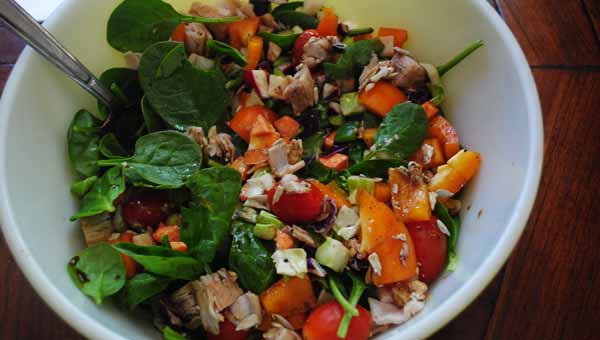
This big ass salad probably has a good blend of both. Probably. Source


Recommendation:
_ don't cut out meats and cheeses, and opt for medium fat meats
_ aim for 30-40g of fiber by incorporating more insoluble and soluble fibers, such as those found in green leafy greens, nuts, some legumes, and fruits 
_ eat up to 2 cups of plain organic Greek yogurt per day

Supplementation

There is probably a supplement for every ailment and having gut dysbiosis is one of them. Right off the bat, I recommend a probiotic supplement mainly because the lot of you don't eat enough vegetables. Fruits usually are not a problem because of the big ass fruit salads you eat in the morning, which of course, usually has far too much sugar (through fructose) that it outweighs the benefits fruits confer for the gut. 


Too much fructose. Source

Supplementing with probiotics is one of the mainstay treatment plans for people with gut dysbiosis in hospitals and clinics. But there, it is usually a short-term thing. For you, it should be long-term, since gut flora gets depleted every day (7). Remember the whole bit about going against conventional wisdom because it fails us more times than helps?

Don't even bother with supplementing with fiber-supplements like Metamucil. They merely provide insoluble fibers and contain zilch nutritional value. 

To note, the Lactobacillus family of probiotics have been shown in research to increase expression of fiaf, which leads to delayed weight gain even in the presence of a high-fat/high-carbohydrate diet (7). 

Though the research is still new, there seems to be a connection between vitamin D intake and gut flora. More specifically, low D levels have been connected with a negative change in gut flora (10).

Recommendation:
_ pick up a high-quality probiotic supplement, like Garden of Life's Primal Defense Ultra and take it first thing in the morning with warm water and parsley
_ supplement with 5,000 IU of vitamin D

WRAP-UP

In conclusion, improving your gut improves your general health, which has far-reaching benefits. Having good health will only reinforce your fat-loss and muscle gain efforts.

REFERENCES

1. Turnbaugh, PJ, et al. An obesity-associated gut microbiome with increased capacity for energy harvest. Nature 2006. 444; 21: 1027-1031. 

2. Ridaura VK, et al. Gut microbiota from twins discordant for obesity modulate metabolism in mice.  2013 Sep 6;341(6150

3. Shen J, et al. The gut microbiota, obesity and insulin resistance.  2013 Feb;34(1):39-58.

4. Forsythe P. Gut microbes as modulators of the neuro-immuno-endocrine system. PharmaNutrition. 2013 Oct;1(4):115-122. 

5. Lawrence DA, et al. Diet rapidly and reproducibly alters the human gut microbiome. Nature. 2014 Jan;505:559-563. 

6. Russo I, et al. Butyrate attenuates lipopolysaccharide-induced inflammation in intestinal cells and Crohn's mucosa through modulation of antioxidant defense machinery.  2012;7(3).

7. Molinaro F, et al. Probiotics, prebiotics, energy balance, and obesity: mechanistic insights and therapeutic implications.  2012 Dec;41(4):843-54.

8. Gobinath D, et al. Beneficial effect of xylo-oligosaccharides and fructo-oligosaccharides in streptozotocin-induced diabetic rats.  2010 Jul;104(1):40-7. 

9. Hsu CK, et al. Xylooligosaccharides and Fructooligosaccharides Affect the Intestinal Microbiota and Precancerous Colonic Lesion Development in Rats. J Nutr. 2004 Jun;134(6):1523-28. 

10. V. Mai, Q.M. McCrary, R. Sinha et al. Associations between dietary habits and body mass index with gut microbiota composition and fecal water genotoxicity: an observational study in African American and Caucasian American volunteers. Nutr J. 2009; 8:49

Monday, February 3, 2014

Nutrition Austerity Part IV: Timing


The next major point in our nutrition geometry is the idea of timing. But first let's recap what we went over in the last two parts:

1. Clean up the quality of your food. Strive to make the best possible food choices by eating single ingredient foods most of the time.

2. Eat for your activity levels. Frequency, type, and goals often determine diet composition. Endurance runners will not eat the same as general fitness folks.

The Main Points of Timing

Let's get one main thing straight. Dieting and eating should not be complicated. After all, you eat to survive (or to perform,  your choice) so something instinctive and required should not be rocket science. Yet, this goes for the average person, someone who is not looking to increase their aesthetics, performance, and healthfulness to any meaningful degree. If you are reading this blog, you are trying to be like Iron Man.

 
This is the face of awesome. Source
 

But in order to be like a superhero, you must first get down the basics, which are figuring out what to eat and why to eat. To be average and not become a fat slob like over 30% of Americans, focus on single ingredient foods and eat less junk. For example, eat more vegetables and non-bastardized meats and less soda. And if you workout like an average person, maybe do the treadmill 2 times a week and some weight lifting that wouldn't make my grandmother sweat, you will probably eat anywhere between 75-150g of carbohydrates. That's about it. But we are not here to be average.

I generally focus on two things for those looking to become better than average. Even for those at a higher level, these methods work well. These are not listed in priority.

1. Meal timing
2. Daily carbohydrate timing (meal composition)
3. Peri-workout nutrition

Meal Timing


This is the most general of the three and probably makes the most sense if you really think about it. Let me pose a question to you: if you are on a diet of 1800 kcals, do you think eating 1800 kcals at one sitting will have the same effect on you as eating 1800 kcals spread over several meals? Don't fail on me.

In terms of effects, the answer is no and I hope this is what you answered. Now, there are instances in which people can get away with eating 1800 kcals at one sitting (Ori Hofmekler's The Warrior Diet), but I don't see this as sustainable. In fact, I consider it a borderline eating disorder, but that's a conversation for a different day.

 
This is Ori. Great shape for his age; but questionable eating habits for the masses. Source


Spreading out your meals provides a steadier stream of nutrients for your body, especially on a training day. As much as I advocate extending fasting, I am wholeheartedly against evening fasted training. There is never a time when you should fast for the whole day then go train. Ever.

That segues well into the next point: fasting. I am a huge proponent of fasting and have been for three years. Fasting has been around for a very long time (I wanted to say forever but that would have been too valleygirl like). Fasting is also associated with cleansing both spiritually and physically (think religious and cultural practices, like Ramadan). Biochemically, though, fasting is linked to longer life, better brain function, and better lean mass retention in primates. Studies done in humans show that fasting and restricting carbohydrates intermittently throughout the week yield better insulin sensitivity and body fat loss than traditional caloric restriction in the short-term (1).

But unlike normal fasting practices and those found in mainstream (cayenne pepper and lemonade diet? No thanks), I advocate shorter daily fasts. For most people, I lay out a plan of 12-14 hour fasts for 5 days and 16-18 hour fasts for 2 days. Meal composition should not really differ between the days; only the amount of calories. Extended fasting days should not fall on training days.

So my philosophy for meal timing is thus:

1. 3-5 meals per day, depending on your schedule.
2. Fast for 12-14 hours 5 days out of the week and 16-18 hours 2 days out of the week

Daily Carbohydrate Timing

The same way that eating manipulating calories throughout the day has different effects on the body, so does carbohydrate timing. I am always for unconventional wisdom, because frankly, conventional wisdom fails the person looking to become better miserably. You need something more than cereal, fruits, and a couple slices of deli meats. You need carbs (the right sources, obviously) and you need to time them right.

Now when it comes to carbohydrate timing, you want to eat the bulk of your carbohydrates in the evening. Yes, you heard that right, in the evening. Why in the evening? Well, the research is new and is just starting to come out, but it is promising nonetheless. Some studies show that participants on equal caloric diets but differing meal compositions experienced different results. Those who ate most of their carbohydrates in the evening lost more weight, body fat, retained more lean muscle mass, and decreased their waist circumference (2). The same author did another study that showed that a low-calorie diet with carbohydrates eaten at dinner time prevented mid-day hunger and improved hormonal profiles compared to a traditional low-calorie diet (3).

 
Unfortunately, Dos Equis is a terrible beer. Source


And if you ever heard me recommend bacon and eggs for breakfast, it is for good reason. Studies show that those who choose to avoid carbs in the morning have better control over their hunger, especially in women who are premenopausal (4). For those who want to lose weight, better hunger control equals better results.

So my philosophy of carb timing is thus:

1. Eat most of your carbs at night, preferably after training.

Whoa, you want an example? Alright. Here is how I do it. Remember that my goal is to slowly gain some size while keeping body fat the same.


8AM: Wake

10AM, meal 1: 50g whey protein shake

1PM, meal 2: 40g of protein through turkey bacon with handful of mix nuts; 5 soft-boiled eggs and 3 cups of broccoli florets in lemon juice, parsley, salt, pepper, and red pepper flakes

4PM, meal 3: 50g whey protein shake with 1 tbsp. fish oil, 1 tbsp. unmodified potato starch (more on this later), handful of carrots

8PM, meal 4: 7oz canned, bone-in salmon, lemon juice, chopped spinach, black beans, and all-purpose tomato sauce

10PM, meal 5: Half a rotisserie chicken with stone ground mustard, kimchi, 3 cups or white rice or 3 baked potatoes

12AM: sleep


Comments? Questions? Drop a line.


References

1. Harvie M, et al. The effect of intermittent energy and carbohydrate restriction v. daily energy restriction on weight loss and metabolic disease risk markers in overweight women. 2013 Oct;110(8):1534-47.

2. Sofer S, et al. Greater weight loss and hormonal changes after 6 months diet with carbohydrates eaten mostly at dinner. Obesity, 2011 Apr 7.

3. Sofer S, et al. Changes in daily leptin, ghrelin and adiponectin profiles following a diet with carbohydrates eaten at dinner in obese subjects. 2013 Aug;23(8):744-50.

4. Acute Satiety Effects of Sausage/Egg-based Convenience Breakfast Meals in Premenopausal Women

Friday, January 31, 2014

Funky Fridays

I will dedicate (or try to) Fridays for Funkiness. By definition, funky holds a few meanings. Of course, funky could mean having an offending smell, like the feet of your old roommate, but it also means something that is unconventional and fresh. It also pertains to music that have a dance rhythm, and while funk music is something I do not listen to, I will post some of my favorite tunes. Note, I do not regularly listen to mainstream music, metal, rap, or country. Most of what I listen to is trance/progressive house, some rock, and symphonic metal. That does not mean I do not listen to the aforementioned genres, so if I come across some music I like, I will post them.

MUSIC

To kick this off, I will share one of my new favorite tunes. A shout out to my friend, Sapan, for sharing this on his Facebook and a bigger shout out to Andrew Rayel, who produced this banger.


FITNESS

You will read me speaking about simplifying your strength training programs. I am a firm believer in 3-4 strength training sessions with a couple of metabolic conditioning sessions sprinkled in here and there (in future posts, I will discuss what metabolic conditioning is). However, you should be careful not to ignore the recovery aspect of training. When do you grow and see results? During recovery and not during the actual training session. Therefore, carefully monitor your progress when undergoing an exercise regime that consists of both strength training and metabolic conditioning. With that out of the way, one of my favorite ways to get in some work during non-lifting days is through complexes. An intense and shocking complex is called the Bear. Put simply, it will make you a better person in every possible way. In the video, I only do 5 rounds with 125 pounds because my grip was shot. Right before this, I did 15 reps of thick bar clean and press with 102 pounds.


NUTRITION

I used to the traditional snacker, or grazer. Our government recommends that Americans eat 5-6 meals per day separated by about 2 hours each. For some reason, this has never really sat well with me. For one, I can't be bothered to eat 5-6 meals per day now and it's not because of a lack of trying. I just can't get it to fit my lifestyle anymore. So for the past 3 years, I have been a fan of extended fasting and feeding cycles, especially for health and fat-loss. There is a decent amount of support for fasting for health, and what many people fail to recognize is the importance of motility in the small intestine, or the rate at which food passes through the gut.

The migrating motor complex, abbreviated as MMC, is a medium amplitude motion in the gut that moves digested food along. Researchers call this a 'housekeeping wave', since it's kind of like sweeping a broom to remove debris. This usually happens 2-3 hours after a meal at 5-10 minute intervals and stops when food is entering the stomach. The problem is that the MMC also sweeps along bacteria,  preventing them from lodging in the small intestine and thus preventing small intestinal bacterial overgrowth (SIBO), a common symptom for those with Irritable Bowel Syndrome (IBS) (1).

It normally takes anywhere from 3-4 hours for food to pass through the small intestine, so when you eat 2 hours after your last meal, you are essentially stopping that process. What is interesting is that I have worked with people who used to do various weight-loss programs that advocate high-frequency feedings (6+) to control hunger, but experience constipation, bloating, and a general feeling of unhealthiness.

Now, there are times to have high-frequency meals. Firstly, if you are trying to gain size, you want to eat more often. Imagine requiring 4000-5000 calories to gain 2 pounds per week and eating that amount in 3-4 meals without blowing up like the Michelin Man. Ain't going to happen. Also, if you are competing at a high level, especially at endurance sports, you should eat more often. Most likely if you are competing in those types of things, health is not at the forefront of your concerns.

That's it for this Funky Friday. Questions? Comments? Drop a line.

References

1. Pimentel M, Soffer EE, Chow EJ, et al. Lower frequency of MMC is found in IBS subjects with abnormal lactulose breath test, suggesting bacterial overgrowth.  2002 Dec; 47(12):2639-43.

Monday, January 27, 2014

Exercise of the Week: Barbell Hang Clean and Press (BBCP)


I measure exercises by three main criteria:

1. Amount of muscles worked
2. How athletic the movement is
3. Fun factor

So whenever you judge something, you are picking out of a pack. Not all exercises are created equal and thus some are more suited in a resistance training program than others.

The first is self-explanatory. Not all exercises are created equal so the more muscles an exercise works, the better it is in terms of getting you results and out of the gym. More muscle damage occurs during these exercises, and provided your nutrition is on point, you will build more muscle and burn more fat. For example, for a healthy client, a back squat will always be better than a leg press in terms of amount of muscles worked. Now whether a back squat will build more muscle than a leg press is still up for debate, but suffice it to say that you can modify any exercise regime to match goals.

The second is the inherent athletic quality of a movement. Again, not all exercises are equal in terms of being athletic movements. Referring back to the above example, a squat is more athletic than a leg press because you are handling free-weights and mimicking a movement that is similar to something you will do in reality.

Training should be fun. If training is fun, then the exercises should also be fun. Find these exercises. One such exercise is called the barbell clean and press (BBCP).

In my opinion, this exercise meets all three criteria. The BBCP is a full-body exercise that works legs, hips, lower back, shoulders, and arms. It is an athletic movement because you use explosive power to move the weight overhead. Lastly, the exercise is madness. There is not a muscle in your body, heart included, that does not get pulverized if this exercise is done with maximum effort. Take a look at my wife doing the BBCP for reps.


When should you do the EOW?

There are different ways to incorporate BBCP.

1. You can do them as an exercise in one of your programs.
2. You can do them as a metabolic conditioner.

Whichever way you want to do them, enjoy. They are brutal and fun.

What is a good standard for the EOW?

There are different ways to measure this.

1. Done for reps at a given weight. For men under 200 pounds, 95 pounds done for 50 reps is a good standard, regardless of how long it takes you. For women, 45 pounds done for 50 reps is a good standard.
2. If you want these to replace one of your strength training exercises in a program, then you will invariably have to decrease the weight compared to what you can do as a stand-alone press since the clean takes your breath away. Regardless, for men, bodyweight clean and press for 6-8 reps is a solid standard. For women, 75% of bodyweight for 6-8 reps is a solid standard.

Questions? Comments? Drop a line.

SBL,
David

Tuesday, January 21, 2014

Nutrition Austerity Part III: Eat For Your Activity Levels

There is a saying you have probably heard; "no one size fits all". Even baseball caps are not one size fits all despite them saying so. This saying could be no truer in nutrition. Though we are all human, a vast majority of us need individualized attention. Like with exercise programs, there is a small handful of people who can get away with following a plan word for word and see amazing results. However, if you are normal, this is not the case.


Poor Inuits. Source


Here, I discuss eating for your activity levels, which is generally the first step in individualizing your eating plan. I could end this blog post by saying, "if you train hard and frequently, eat more; if you train like a wimp and less often, eat less". But then I would be doing you a disservice since there are additional details to an over-generalized statement like that. Of course, there rings some truth as well. If you tend to train more, like a competitive marathon runner or a competitive powerlifter, then you do need to eat more than someone who doesn't train that way. But when I say activity levels, I really mean the type of exercise you do and how often you do it determines the composition of your diet.

Put simply, the two athletes above should not eat the same way despite having high activity levels. Different activity types put different demands on energy substrate use, or what the body uses for energy. Goals also determine the composition of the diet. So the three things that determine how you structure your eating plan: 1) type of exercise; 2) frequency of exercise; 3) goals.

Overweight coach potato who wants to lose weight? Less carbs.

Endurance runner who wants to increase performance? More carbs.

General fitness guy/gal who wants to increase muscle mass and decrease fat but stay around the same weight (body recomposition)? Moderate carbs.

There is a large problem with making sweeping generalizations like this and that has to do with the individualization bit. Two people could be on the same diet and exercise regime and see different results. This can be explained by a variety of factors, but genetics, previous dieting history, and food intolerance are three of the most prevalent. But generally speaking (and for the sake of this post on activity) you really do not need to eat high amounts of carbohydrates unless you are involved in heavy and/or frequent training.

Before we get into the meat and potatoes, I am going to re-emphasize the three things I look at when structuring eating plans: type of exercise, frequency of exercise, and goals. Do not forget these.


All fruits, grains, legumes, and some vegetables contain carbs. Source


First, what are carbohydrates and how do they affect the body?

A carb (carbohydrate) one of the three main energy producing macronutrients--protein and fat the others. It is used preferably by the brain, provides 4 calories per gram, and ultimately gets broken down into three simple sugar molecules called glucose, maltose, and galactose. For our intents, glucose is what we want to focus on. Ingestion (or eating) of carbs increases the amount of sugar in the blood glucose (blood sugar), which prompts the pancreas (an organ) to release insulin, an extremely important but double-edged hormone. Insulin has a variety of functions and a couple of them are:

- Clears sugars from the blood by allowing them to enter fat, muscle, and liver tissue
- Acts as an anti-inflammatory agent
- Stops fat-burning and turns on building, or anabolic, processes

Insulin is so important that you cannot survive without it. To get an idea, Type 2 and type 1 diabetes are diseases where the cells of the body either do not respond to insulin or the pancreas does not produce enough insulin. In both cases, there is a problem with insulin. However, the double-edge is that too much insulin also causes problems. For us fitness folks who don't have diabetes, this applies because too much insulin stops fat-burning and turns on anabolic processes. One such building process is the storing of fats in fat and liver tissues leading to their subsequent enlargement. 

The human body is a machine and each organ represents a piece of that machinery, a cog. Over time if you stress that cog enough (high carb diets stress the pancreas), you will exhaust it, causing it to fail. To put it rather simply, type 2 diabetes is generally caused by too much carbs (and low physical activity). Of course, we all break down eventually, no matter how healthy our diets are. But I am sure we all want to look good before getting recycled. I, for one, feel terrible recycling a nice looking wine bottle.

Now, the three main types of diets that manipulate carbs...

Low-carbohydrate Diets

Low-carbohydrate (LC) diets generally provide less than 20% of total calories through carbohydrates and are huge controversial topics. Talk to any person involved in nutrition about low-carbohydrate diets versus high-carbohydrate diets and it can start to resemble a religious battle quite fast. Despite how much people rage over which carbohydrate diet is better, there is a striking amount of research about LC diets. What most of the research says is that LC diets outperform conventional diets in the first 6-months to a statistical significant degree, but the results begin to diminish slowly afterward and eventually show no difference at one-year (1). Many of these studies were done on untrained and sometimes obese populations.

LC diets have also been shown to decrease symptoms of Metabolic Syndrome (decrease triglycerides, increase HDL, improve weight-loss) faster than conventional high-carb diets (2).

High-carbohydrate (HC) Diets

MyPlate, the government guidelines for nutrition, recommends nearly everyone to be on what I consider a high-carbohydrate diet. Their range is 45-65% of total calories. The most typical example of someone who should follow high-carbohydrate diets are endurance athletes. Other examples include athletes performing at high levels of various sports/events, like bodybuilders, sumo wrestlers, and track athletes and general fitness folks who are trying to build more mass.

Govt believes all meals should look like this. Source

The biggest drawback to a HC diet is that most of the energy comes from carbohydrates. Since carbohydrates provide your body with a quicker form of energy than fats and proteins, your body must then have an outlet for that energy, like putting fuel in a car. If you don't use that energy, or you keep putting more fuel in, you will experience some 'spill-over'. In scientific terms, this is called de novo lipogenesis (DNL). In other words, carbs will get converted to fat in the liver. However, the rate at which that happens is overblown by low-carb proponents and is actually quite low (4). The rate of DNL also depends on activity levels and genetics.


Moderate-carbohydrate (MC) Diets

If you do not fall into either of the two categories above, you will probably see the best results at the moderate range, which is usually 30-40%. Mark Sisson, author of the Primal Blueprint, and one of the biggest proponents of the 'primal' diet, created what's called a 'carbohydrate curve'. He believes that no one really involved in anything beyond general fitness should consume over 150g of carbohydrates per day. Paul and Shou-Ching Jaminent, authors of the Perfect Health Diet and also proponents of the primal movement, recommend the same thing. There are a few reasons why they recommend this yet their primary reason is that insulin can cause fat storage if too many carbs are eaten.

My take on the whole carbs = insulin = fat gain is that the amount of carbs you eat is context dependent, just like anything else. If you are a lot of carbs in the presence of pre-existing high carb intake combined with lack of activity, or an outlet for those carbs, then yes, you will gain some blubber. But if you are highly active and manipulate carbs appropriately, you will lose the flab. So though there are things I do not see eye-to-eye with both Mark and the Jaminets, I do generally agree with their stance on nutrition for general fitness folks looking to lose fat and improve body composition. Again, this does not apply to those performing at a high level or wanting to gain size.


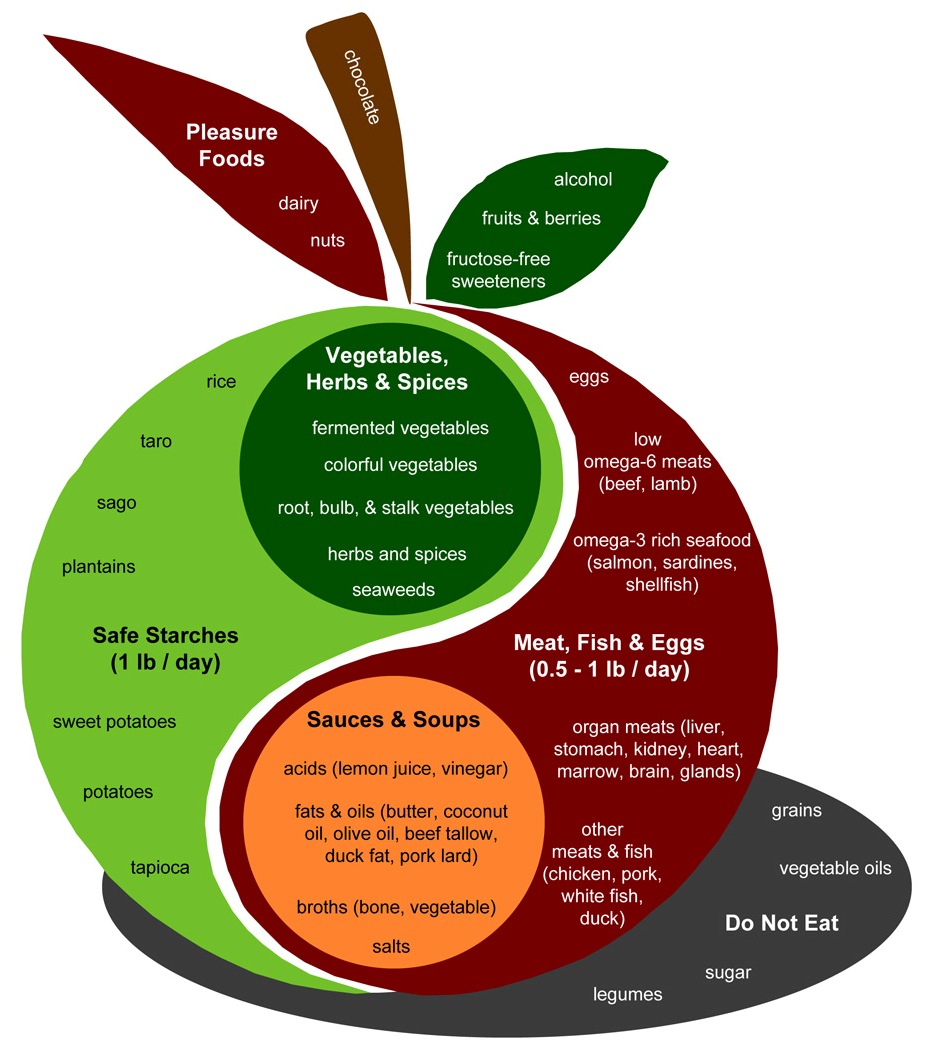
The Perfect Health Diet apple. Source


How did we get to the conclusion of 150g of carbs? The human body only has a limited capacity to store carbohydrates. An average man can eat and store up to 15g per kilogram of bodyweight in carbs (storage form of carbs is called glycogen) (3). The key is, though, to never even get close to that point. Again, unless you are an endurance athlete or someone performing at a high level, you really do not need that many carbs stored. Additionally, depletion of glycogen may lead to better fat-loss via improved metabolic processes, such as fat-adaptation (body's ability to use more fat for energy rather than carbs) and by allowing you to be more liberal with carbs on days when you need them. Glycogen depletion itself is not a mode of fat-loss. In fact, glycogen depletion is what most people experience on their first couple days of an intense diet; in other words water loss.

Now I do recommend a moderate carbohydrate intake for most general fitness clients. If you resistance-train 3-4 days per week and your goals are to 'tone your arms' and 'lose some belly fat', you will probably follow a moderate carbohydrate diet and eat no more than 150g of carbohydrates per day (in the beginning). However, as you progress in your training, you will start incorporating re-feeds (more on that in later blog posts).

The Carb Curve. Source

If this post seemed too vague for you, don't worry. I will go into more detail later. This post was getting too long.

References

1. Foster GD, Wyatt HR, Hill JO, et al. A Randomized Trial of a Low-Carbohydrate Diet for Obesity. N Engl J Med. 2003. 348:2082-2090.

2. Schugar RC, Crawford PA. Low-carbohydrate ketogenic diets, glucose homeostasis, and nonalcoholic fatty liver disease.  2012 Jul;15(4):374-80

3. Acheson KJ, Schutz Y, Bessard T. Glycogen storage capacity and de novo lipogenesis during massive carbohydrate overfeeding in man.  1988 Aug;48(2):240-7.

4. Schwarz JM, Neese RA, Turner S, et al. Short-term alterations in carbohydrate intake in humans. Striking effects on hepatic glucose production, de novo lipogenesis, lipolysis, and whole-body fuel selection. J Clin Invest. 1995 Dec;96(6): 2735-2743.

Monday, January 13, 2014

Nutrition Austerity Part II: Eat Real Food


You are ALL sexy beasts. Source

Among the core tenets of a good eating plan, the most important (in my opinion), is food quality. It is the basis of a sound eating plan or diet. Improving how you eat by WHAT you eat should top the list of things you have to do if you want to get healthy, fit, and strong. Eat sexy beasts and become sexy beasts. But in a discussion about eating for any particular goal, the question of 'how much' you should eat will inevitably come up. This will be addressed in more detail in Part III when I discuss eating for your activity levels, but in general you want calories to coincide with goals. If you are trying to get stronger and bigger then you eat more. If you want to get leaner then you want to eat less. It's simple yet not so simple. Before getting into the topic of real food, I want to talk about some stuff regarding caloric intake that leads into the discussion.

Short-term, you will lose weight by eating less. This is almost irrefutable. Studies done in diet wards where subjects are locked in rooms and they eat under continuous supervision has shown time and time again that those who eat less lose weight. People who eat less in general live longer, think more clearly, and improve health markers (1, 2, 3)

On the flip side, we know, but not with absolute certainty, that those who eat more gain weight--there are certain conditions that allow do not allow weight-loss despite caloric restriction, such as thyroid disorders and genetic defects. Three-hundred pound bodybuilders did not get to their massive proportions by eating like squirrels; they eat like bears.

Despite the evidence that eating less helps people lose weight, there exists a threshold. Like everything else in life, there is a point of diminishing returns and that is especially true for fitness and nutrition. You cannot eat yourself into oblivion nor should you. Once you get to a certain point, eating less does not work. To help illustrate this, I want to play out a hypothetical scenario based on a professor's self-experiment on calorie restriction. This audacious fellow cast out to refute one of Gary Taubes' theory that calories do not matter. He survived on a paltry 800-calorie diet of Twinkies, candy bars, and chips and lost 26% of his bodyweight. Mind you, he was overweight to begin with, but his n=1 experiment showed that calories do matter. The burning question is: did he keep it off? I have no idea. But riddle me this: how good is a weight-loss program if you lose weight in 8-weeks, but at week 10 you can it all back and then some? It's a leading question, I know, but research has shown that those who undergo severe calorie restriction gain back all of the weight they lost at an average of 2-years post-diet, but many dieters end up weighing MORE than when they started their diet (4). That's friggin' disheartening.


Nevermind the appearance: the candy diet. Source


Here is one point that people fail to realize when undergoing diets: health. There is a difference between being healthy and healthier. You can become healthier by losing weight if you are morbidly obese. In fact, research shows that losing 10% of your bodyweight leads to drastic reductions in heart disease risk. If you are 400 pounds and your blood pressure is 200/100, losing 40 pounds and dropping blood pressure to 185/90 means you are healthier, but still not healthy. But where is the line? If you can become healthier by losing weight, doesn't it stand to reason that losing weight irrespective of method should make one healthy as long as you lose enough? Yes and no. If you are morbidly obese and have amazingly high risks for heart disease, then rapidly losing weight eating an 800-calorie candy diet may reduce those risks. This is you becoming healthier. Chances are, however, you cannot keep it up. You will keep eating candy, and if you're lucky, you will gain back all that weight back before your teeth rot to hell. As frosting on the cake, your health will be MUCH WORSE than it was before. And that is the difference between healthier and healthy. Whereas healthier is a relative term, healthy is a more absolute one.

My point? Eat for health. If you focus on health by eating real food, you won't have to worry about whether the weight will come back, because it won't. On top of that, you will not be sacrificing your health for weight-loss.

So how do you change your lifestyle habits to emphasize life-long health and wellness? Scrap the idea of going on a diet and change your behavior. First step, start focusing on FOOD and not CALORIES (but remember to eat for your activity levels; more on that later).

EAT REAL FOOD


No matter what your goal is, you should always center your diet around real food. What is real food? Food that could have been found in your great-great-great grandmother's pantry. Food that does not contain ingredients that a 3rd grader cannot pronounce. 80% of the time, you should eat real food. The 20% is known as the moderate rule in which you could eat other crap. However, I do not recommend this because it is basically a ticket to eat junk every day.


Simplicity


Just... no. Nice way to Desecrate the chicken and bacon. Source

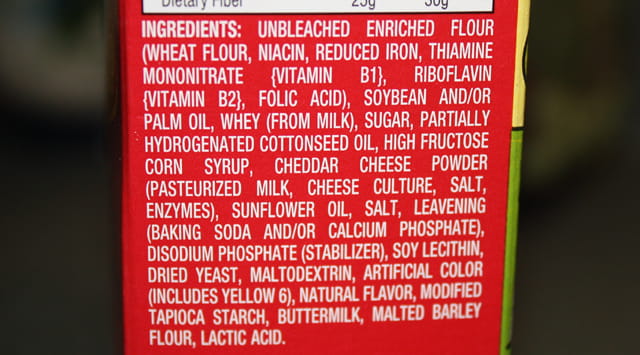
Cheez-Its is not food and I don't give a flying donkey's anus what you think. Yes, it may taste good, but taste alone does not determine its stance as true sustenance. Though you should limit overly processed foods (OPF) as much as possible, I realize it is damn impossible to completely eliminate them. Unless you live on a mountain and live with goats, you probably go to the grocery store like every other civilized human being. To give you an idea of what an OPFs food label looks like, take a gander:


Ritz crackers. Crack yourself over the head if you eat this. Source

I don't expect anyone to avoid OPFs completely (unless you have a disease, allergies, malabsorption issues or just feel like it) because doing so is very unrealistic. If you can read this blog, you probably eat OPFs. Just keep it to a minimum, 20% per day at the most and fill in the rest of your day with real food.

If you need help determining what real food is, take a look at the ingredient label. All real food have one ingredient. Here is an example:


Guess. And no, it is not a Cadbury's vanilla egg candy. Source

Some real foods have a few ingredients. Here is an example:


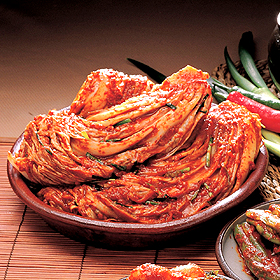
Bloody claws from a salvaged hyena. Or kimchi. Source

Kimchi has a handful of ingredients, but it traditionally contains only things you can find in a natural state. Garlic, scallions, cabbage, red pepper powder (questionable, sure, but I give it the benefit of the doubt), salt. Beware of impostor kimchi that uses monosodium glutamate and Buddha knows what else, which brings me to my next point.

Quality

Not all chickens are created equal nor do they taste the same after cooked. You don't have to be a rocket scientist to know that chickens treated inhumanely scores lower across the board compared to a naturally raised chicken, unless you are on terrible budget that prevents you from eating natural chickens. If this is the case, then stop making it rain in the strip club.


Less chicken, more feces. Source

The source of the above picture, University of Colorado, states that the " primary environmental concerns at concentrated animal feeding operations (CAFOs) arise from the generation of large amounts of animal waste and as a result of the large scale of operations.    In general, animal waste is collected and stored in lagoons.
The concentration of the waste and the lack of treatment typically results in powerful odors and air pollution." Population of these CAFOs can exceed 1,000 units. Wait, units? Yes, animals are just seen as disposable pieces of meat. They get no love. Do you want your food to wade around in their own feces? Or better yet, in their neighbors'? Trust me, if you care about your health, you care about how your food is treated. Thus, you care about the quality of your food. 

Here is another reason why you should care about where your food comes from: pesticides and insecticides are preferably stored in adipose (fat) tissue of animals. Even after slaughter, harmful chemicals are still found in adipose tissue (5). Some known harmful chemicals, like dioxin and polychlorinated biphenyls (PCBs), selectively stay in poultry livers. Not that you should eat chicken livers, but since the liver is the processing plant of the body, it could be theorized that if high amounts of toxins are found in conventionally raised chicken livers, then they could be found in adipose tissue (6). So if you are not catching my drift, I am basically saying that pesticides/insecticides are not something you should eat. The last thing you want topping your bacon is Round-up. 


Let's use me as an example of how food quality can affect the body. Ever since I was young, I was terribly intolerant to lactose, the sugar found in milk. Asians are known for being lactose intolerance, and in this regard, I did not disappoint my heritage. One sip of milk from a $3/gallon container of milk sent me rushing to the john and kept me there for a good half decade. Then on one fateful day, I drank an unlabeled jar of milk that was sitting in my mom's fridge. I was in quite the pickle since the only other thing my mom had in her fridge was Kraft's sliced american cheese, orange juice, and carrots. I bite the bullet and drank the milk. I fully expected an onslaught, but the war never came. Later I found out the milk was grass-fed, organic, and local. The farm that produced the milk was a 10 minute drive from the house and I bought a few gallons by putting cash in a community drop box and grabbing the milk from the fridge that was in the barn. So if you were ever wondering how I started my career in nutrition, this is the story. 


Vegetables work in pretty much similar fashion as animal food. The biggest difference is that plants are the liaison between the earth and larger organisms, meaning that no matter where you are on the food chain, plants are the first thing you eat. Even if you are a pure carnivore, the animals you eat ate grass or weeds. In the case of conventional farming, plants are also subject to intense irrigation using pesticides. As a result, many conventionally raised produce may not be as robust as their naturally-grown counter-parts, leading them to spoil quicker. To offset this, manufacturers have to add artificial additives to prolong shelf-life. Going back to the kimchi example: kimchi is an amazing food if created using traditional means. If you make kimchi by using fresh cabbage and then letting it age naturally in a jar for a couple of weeks, it will make both healthier and tastier kimchi than if you were to buy kimchi that was processed in a huge plant with additives to make it taste better. The later process only creates an illusion through taste, but not quality. Ditch the crap.


The list of Sexy Beasts


Let me provide you with a short and non-exhaustive list of food that I try to keep in stock at all times. I am an omnivore now and I center my diet around high-quality protein sources from animals. Despite that, I do not consume that much animal meat. The primary reason is because I am friggin' poor. Don't get me wrong, I love animals (I have two dogs) and I am cognizant about how they are treated before slaughtered, but I ultimately care more about myself than a cow. I will go into later how you can be healthy as a vegetarian/vegan, but I prefer to be healthy eating animal meat. Let it be known that I do not push vegetarianism on my blog nor do I admonish it. 


  • Land animal meats, lean: bison, ground beef, chicken breast, pork tenderloin, turkey, duck, rabbit
  • Land animal meats, fatty (make sure to get these organic): pork belly, bacon, chicken thighs, ground beef, beef chuck
  • Sea animal meats: crab, shrimp, mussels, squid, octopus
  • Organic eggs 
  • Some dairy (make sure these are all grass-fed and organic): butter, ghee, cream, cottage cheese, Greek yogurt, yogurt 
  • Other animal products: chicken, beef and fish stock
  • Cooking fats: butter, ghee, beef fat (tallow), organic lard, red palm oil
  • Green leafy vegetables (land and sea): seaweed, broccoli, Brussels sprouts, cabbage, asparagus, cauliflower, carrots, celery, kale, Swiss chard, collard greens, beet greens, etc.
  • Some fruits (not all fruits are created equal): tomatoes, cucumbers, raspberries, blueberries, blackberries, apricots, pears, etc.
  • Other vegetables: onions, garlic, mushrooms, kimchi, sauerkraut 
  • Starches: white rice, taro, potatoes of all varieties (yams being optimal), oats, quinoa
  • Legumes: black beans, cannellini beans, lentils 
  • Raw nuts and nut butters (eat sparingly): hazelnuts, brazil nuts, almonds, macadamia, pistachios, almond butter, peanut butter 
  • Condiments and spices: parsley, cinnamon, dill, sea salt, ground black pepper, lemon lime, raw apple cider vinegar, ground mustard, Srirachi hot sauce, coconut aminos, gluten-free soy sauce, ginger, turmeric, thyme, rosemary

The above list has 99% real, unadulterated food. It is not an exhaustive list but one that you can use as a guideline. There will be foods that are not on the list that people enjoy eating; some of those foods are healthy, some are not. Also be aware that not all foods on this list are appropriate for all goals. Fret not for anything that gets you healthy and closer to your goals is a sexy beast. 

No matter what your goal is, emphasize real food. Good health supports good health.

Have a comment? Drop a line.

Sources


1. Xydakis AM, Case CC, Jones PH, et al. Adiponectin, Inflammation, and the Expression of the Metabolic Syndrome in Obese Individuals: The Impact of Rapid Weight Loss through Caloric Restriction. JCEM. 2004, 89(6). 


2. Imayama I, Ulrich CM, Alfano CM, et al. Effects of a Caloric Restriction Weight Loss Diet and Exercise on Inflammatory Biomarkers in Overweight/Obese Postmenopausal Women: A Randomized Controlled Trial. Cancer Res. 2012, 72.


3. Fabricatore AN, Waldden TA, Higginbotham AJ, et al. Intentional weight loss and changes in symptoms of depression: a systematic review and meta-analysis. International Journal of Obesity. 2011, 35:1363-1376.

4. Curioni CC, Lourenco PM. Long-term weight loss after diet and exercise: a systematic review. International Journal of Obesity. 2005, 29:1168-1174.

5. Glynn AW, Wernroth L, Atuma S, et al. PCB and chlorinated pesticide concentrations in swine and bovine adipose tissue in Sweden 1991–1997: spatial and temporal trends. Science of the Total Environment. 2000, 246 (2-3):195-206.

6. Ghimpeteanu OM, Militaru M, Scippo ML. Dioxins and polychlorinated biphenyls contamination in poultry liver related to food safety – A review. Food Control. 2014, 38:47-53.