Friday, January 31, 2014

Funky Fridays

I will dedicate (or try to) Fridays for Funkiness. By definition, funky holds a few meanings. Of course, funky could mean having an offending smell, like the feet of your old roommate, but it also means something that is unconventional and fresh. It also pertains to music that have a dance rhythm, and while funk music is something I do not listen to, I will post some of my favorite tunes. Note, I do not regularly listen to mainstream music, metal, rap, or country. Most of what I listen to is trance/progressive house, some rock, and symphonic metal. That does not mean I do not listen to the aforementioned genres, so if I come across some music I like, I will post them.

MUSIC

To kick this off, I will share one of my new favorite tunes. A shout out to my friend, Sapan, for sharing this on his Facebook and a bigger shout out to Andrew Rayel, who produced this banger.


FITNESS

You will read me speaking about simplifying your strength training programs. I am a firm believer in 3-4 strength training sessions with a couple of metabolic conditioning sessions sprinkled in here and there (in future posts, I will discuss what metabolic conditioning is). However, you should be careful not to ignore the recovery aspect of training. When do you grow and see results? During recovery and not during the actual training session. Therefore, carefully monitor your progress when undergoing an exercise regime that consists of both strength training and metabolic conditioning. With that out of the way, one of my favorite ways to get in some work during non-lifting days is through complexes. An intense and shocking complex is called the Bear. Put simply, it will make you a better person in every possible way. In the video, I only do 5 rounds with 125 pounds because my grip was shot. Right before this, I did 15 reps of thick bar clean and press with 102 pounds.


NUTRITION

I used to the traditional snacker, or grazer. Our government recommends that Americans eat 5-6 meals per day separated by about 2 hours each. For some reason, this has never really sat well with me. For one, I can't be bothered to eat 5-6 meals per day now and it's not because of a lack of trying. I just can't get it to fit my lifestyle anymore. So for the past 3 years, I have been a fan of extended fasting and feeding cycles, especially for health and fat-loss. There is a decent amount of support for fasting for health, and what many people fail to recognize is the importance of motility in the small intestine, or the rate at which food passes through the gut.

The migrating motor complex, abbreviated as MMC, is a medium amplitude motion in the gut that moves digested food along. Researchers call this a 'housekeeping wave', since it's kind of like sweeping a broom to remove debris. This usually happens 2-3 hours after a meal at 5-10 minute intervals and stops when food is entering the stomach. The problem is that the MMC also sweeps along bacteria,  preventing them from lodging in the small intestine and thus preventing small intestinal bacterial overgrowth (SIBO), a common symptom for those with Irritable Bowel Syndrome (IBS) (1).

It normally takes anywhere from 3-4 hours for food to pass through the small intestine, so when you eat 2 hours after your last meal, you are essentially stopping that process. What is interesting is that I have worked with people who used to do various weight-loss programs that advocate high-frequency feedings (6+) to control hunger, but experience constipation, bloating, and a general feeling of unhealthiness.

Now, there are times to have high-frequency meals. Firstly, if you are trying to gain size, you want to eat more often. Imagine requiring 4000-5000 calories to gain 2 pounds per week and eating that amount in 3-4 meals without blowing up like the Michelin Man. Ain't going to happen. Also, if you are competing at a high level, especially at endurance sports, you should eat more often. Most likely if you are competing in those types of things, health is not at the forefront of your concerns.

That's it for this Funky Friday. Questions? Comments? Drop a line.

References

1. Pimentel M, Soffer EE, Chow EJ, et al. Lower frequency of MMC is found in IBS subjects with abnormal lactulose breath test, suggesting bacterial overgrowth.  2002 Dec; 47(12):2639-43.

Monday, January 27, 2014

Exercise of the Week: Barbell Hang Clean and Press (BBCP)


I measure exercises by three main criteria:

1. Amount of muscles worked
2. How athletic the movement is
3. Fun factor

So whenever you judge something, you are picking out of a pack. Not all exercises are created equal and thus some are more suited in a resistance training program than others.

The first is self-explanatory. Not all exercises are created equal so the more muscles an exercise works, the better it is in terms of getting you results and out of the gym. More muscle damage occurs during these exercises, and provided your nutrition is on point, you will build more muscle and burn more fat. For example, for a healthy client, a back squat will always be better than a leg press in terms of amount of muscles worked. Now whether a back squat will build more muscle than a leg press is still up for debate, but suffice it to say that you can modify any exercise regime to match goals.

The second is the inherent athletic quality of a movement. Again, not all exercises are equal in terms of being athletic movements. Referring back to the above example, a squat is more athletic than a leg press because you are handling free-weights and mimicking a movement that is similar to something you will do in reality.

Training should be fun. If training is fun, then the exercises should also be fun. Find these exercises. One such exercise is called the barbell clean and press (BBCP).

In my opinion, this exercise meets all three criteria. The BBCP is a full-body exercise that works legs, hips, lower back, shoulders, and arms. It is an athletic movement because you use explosive power to move the weight overhead. Lastly, the exercise is madness. There is not a muscle in your body, heart included, that does not get pulverized if this exercise is done with maximum effort. Take a look at my wife doing the BBCP for reps.


When should you do the EOW?

There are different ways to incorporate BBCP.

1. You can do them as an exercise in one of your programs.
2. You can do them as a metabolic conditioner.

Whichever way you want to do them, enjoy. They are brutal and fun.

What is a good standard for the EOW?

There are different ways to measure this.

1. Done for reps at a given weight. For men under 200 pounds, 95 pounds done for 50 reps is a good standard, regardless of how long it takes you. For women, 45 pounds done for 50 reps is a good standard.
2. If you want these to replace one of your strength training exercises in a program, then you will invariably have to decrease the weight compared to what you can do as a stand-alone press since the clean takes your breath away. Regardless, for men, bodyweight clean and press for 6-8 reps is a solid standard. For women, 75% of bodyweight for 6-8 reps is a solid standard.

Questions? Comments? Drop a line.

SBL,
David

Tuesday, January 21, 2014

Nutrition Austerity Part III: Eat For Your Activity Levels

There is a saying you have probably heard; "no one size fits all". Even baseball caps are not one size fits all despite them saying so. This saying could be no truer in nutrition. Though we are all human, a vast majority of us need individualized attention. Like with exercise programs, there is a small handful of people who can get away with following a plan word for word and see amazing results. However, if you are normal, this is not the case.


Poor Inuits. Source


Here, I discuss eating for your activity levels, which is generally the first step in individualizing your eating plan. I could end this blog post by saying, "if you train hard and frequently, eat more; if you train like a wimp and less often, eat less". But then I would be doing you a disservice since there are additional details to an over-generalized statement like that. Of course, there rings some truth as well. If you tend to train more, like a competitive marathon runner or a competitive powerlifter, then you do need to eat more than someone who doesn't train that way. But when I say activity levels, I really mean the type of exercise you do and how often you do it determines the composition of your diet.

Put simply, the two athletes above should not eat the same way despite having high activity levels. Different activity types put different demands on energy substrate use, or what the body uses for energy. Goals also determine the composition of the diet. So the three things that determine how you structure your eating plan: 1) type of exercise; 2) frequency of exercise; 3) goals.

Overweight coach potato who wants to lose weight? Less carbs.

Endurance runner who wants to increase performance? More carbs.

General fitness guy/gal who wants to increase muscle mass and decrease fat but stay around the same weight (body recomposition)? Moderate carbs.

There is a large problem with making sweeping generalizations like this and that has to do with the individualization bit. Two people could be on the same diet and exercise regime and see different results. This can be explained by a variety of factors, but genetics, previous dieting history, and food intolerance are three of the most prevalent. But generally speaking (and for the sake of this post on activity) you really do not need to eat high amounts of carbohydrates unless you are involved in heavy and/or frequent training.

Before we get into the meat and potatoes, I am going to re-emphasize the three things I look at when structuring eating plans: type of exercise, frequency of exercise, and goals. Do not forget these.


All fruits, grains, legumes, and some vegetables contain carbs. Source


First, what are carbohydrates and how do they affect the body?

A carb (carbohydrate) one of the three main energy producing macronutrients--protein and fat the others. It is used preferably by the brain, provides 4 calories per gram, and ultimately gets broken down into three simple sugar molecules called glucose, maltose, and galactose. For our intents, glucose is what we want to focus on. Ingestion (or eating) of carbs increases the amount of sugar in the blood glucose (blood sugar), which prompts the pancreas (an organ) to release insulin, an extremely important but double-edged hormone. Insulin has a variety of functions and a couple of them are:

- Clears sugars from the blood by allowing them to enter fat, muscle, and liver tissue
- Acts as an anti-inflammatory agent
- Stops fat-burning and turns on building, or anabolic, processes

Insulin is so important that you cannot survive without it. To get an idea, Type 2 and type 1 diabetes are diseases where the cells of the body either do not respond to insulin or the pancreas does not produce enough insulin. In both cases, there is a problem with insulin. However, the double-edge is that too much insulin also causes problems. For us fitness folks who don't have diabetes, this applies because too much insulin stops fat-burning and turns on anabolic processes. One such building process is the storing of fats in fat and liver tissues leading to their subsequent enlargement. 

The human body is a machine and each organ represents a piece of that machinery, a cog. Over time if you stress that cog enough (high carb diets stress the pancreas), you will exhaust it, causing it to fail. To put it rather simply, type 2 diabetes is generally caused by too much carbs (and low physical activity). Of course, we all break down eventually, no matter how healthy our diets are. But I am sure we all want to look good before getting recycled. I, for one, feel terrible recycling a nice looking wine bottle.

Now, the three main types of diets that manipulate carbs...

Low-carbohydrate Diets

Low-carbohydrate (LC) diets generally provide less than 20% of total calories through carbohydrates and are huge controversial topics. Talk to any person involved in nutrition about low-carbohydrate diets versus high-carbohydrate diets and it can start to resemble a religious battle quite fast. Despite how much people rage over which carbohydrate diet is better, there is a striking amount of research about LC diets. What most of the research says is that LC diets outperform conventional diets in the first 6-months to a statistical significant degree, but the results begin to diminish slowly afterward and eventually show no difference at one-year (1). Many of these studies were done on untrained and sometimes obese populations.

LC diets have also been shown to decrease symptoms of Metabolic Syndrome (decrease triglycerides, increase HDL, improve weight-loss) faster than conventional high-carb diets (2).

High-carbohydrate (HC) Diets

MyPlate, the government guidelines for nutrition, recommends nearly everyone to be on what I consider a high-carbohydrate diet. Their range is 45-65% of total calories. The most typical example of someone who should follow high-carbohydrate diets are endurance athletes. Other examples include athletes performing at high levels of various sports/events, like bodybuilders, sumo wrestlers, and track athletes and general fitness folks who are trying to build more mass.

Govt believes all meals should look like this. Source

The biggest drawback to a HC diet is that most of the energy comes from carbohydrates. Since carbohydrates provide your body with a quicker form of energy than fats and proteins, your body must then have an outlet for that energy, like putting fuel in a car. If you don't use that energy, or you keep putting more fuel in, you will experience some 'spill-over'. In scientific terms, this is called de novo lipogenesis (DNL). In other words, carbs will get converted to fat in the liver. However, the rate at which that happens is overblown by low-carb proponents and is actually quite low (4). The rate of DNL also depends on activity levels and genetics.


Moderate-carbohydrate (MC) Diets

If you do not fall into either of the two categories above, you will probably see the best results at the moderate range, which is usually 30-40%. Mark Sisson, author of the Primal Blueprint, and one of the biggest proponents of the 'primal' diet, created what's called a 'carbohydrate curve'. He believes that no one really involved in anything beyond general fitness should consume over 150g of carbohydrates per day. Paul and Shou-Ching Jaminent, authors of the Perfect Health Diet and also proponents of the primal movement, recommend the same thing. There are a few reasons why they recommend this yet their primary reason is that insulin can cause fat storage if too many carbs are eaten.

My take on the whole carbs = insulin = fat gain is that the amount of carbs you eat is context dependent, just like anything else. If you are a lot of carbs in the presence of pre-existing high carb intake combined with lack of activity, or an outlet for those carbs, then yes, you will gain some blubber. But if you are highly active and manipulate carbs appropriately, you will lose the flab. So though there are things I do not see eye-to-eye with both Mark and the Jaminets, I do generally agree with their stance on nutrition for general fitness folks looking to lose fat and improve body composition. Again, this does not apply to those performing at a high level or wanting to gain size.


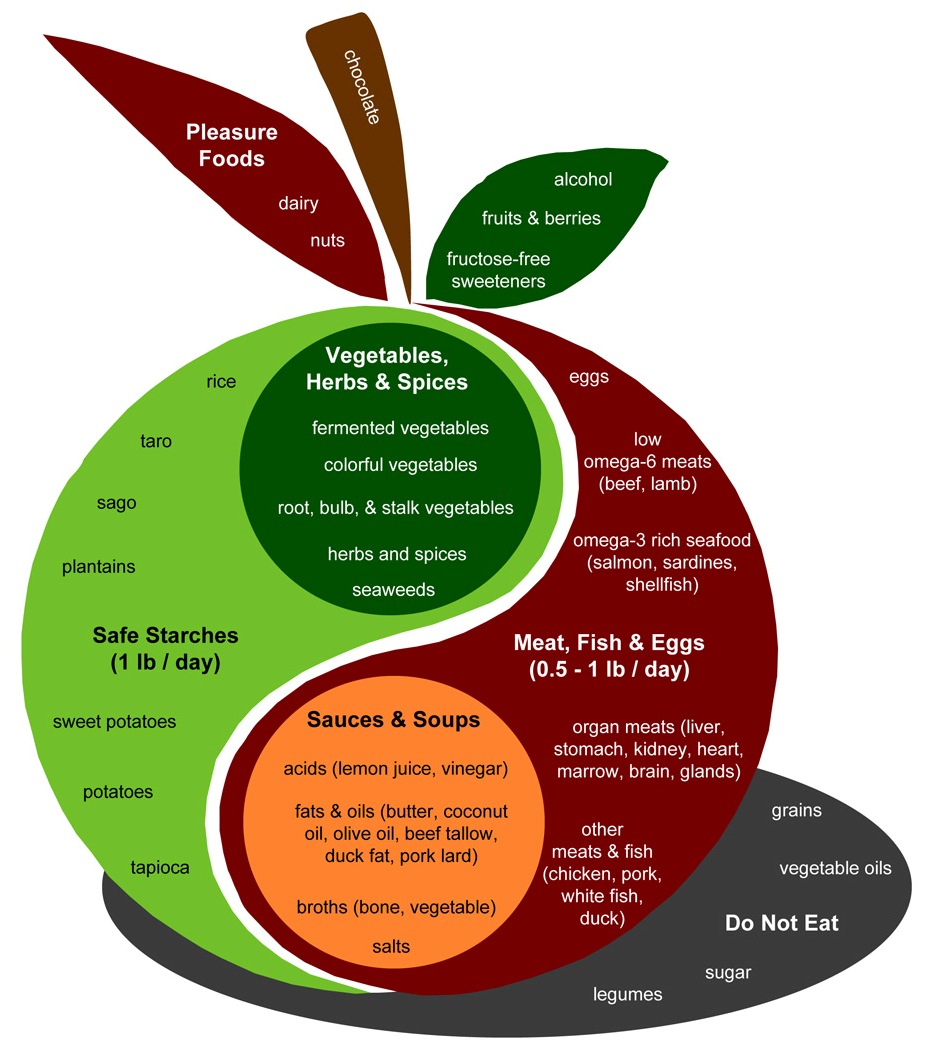
The Perfect Health Diet apple. Source


How did we get to the conclusion of 150g of carbs? The human body only has a limited capacity to store carbohydrates. An average man can eat and store up to 15g per kilogram of bodyweight in carbs (storage form of carbs is called glycogen) (3). The key is, though, to never even get close to that point. Again, unless you are an endurance athlete or someone performing at a high level, you really do not need that many carbs stored. Additionally, depletion of glycogen may lead to better fat-loss via improved metabolic processes, such as fat-adaptation (body's ability to use more fat for energy rather than carbs) and by allowing you to be more liberal with carbs on days when you need them. Glycogen depletion itself is not a mode of fat-loss. In fact, glycogen depletion is what most people experience on their first couple days of an intense diet; in other words water loss.

Now I do recommend a moderate carbohydrate intake for most general fitness clients. If you resistance-train 3-4 days per week and your goals are to 'tone your arms' and 'lose some belly fat', you will probably follow a moderate carbohydrate diet and eat no more than 150g of carbohydrates per day (in the beginning). However, as you progress in your training, you will start incorporating re-feeds (more on that in later blog posts).

The Carb Curve. Source

If this post seemed too vague for you, don't worry. I will go into more detail later. This post was getting too long.

References

1. Foster GD, Wyatt HR, Hill JO, et al. A Randomized Trial of a Low-Carbohydrate Diet for Obesity. N Engl J Med. 2003. 348:2082-2090.

2. Schugar RC, Crawford PA. Low-carbohydrate ketogenic diets, glucose homeostasis, and nonalcoholic fatty liver disease.  2012 Jul;15(4):374-80

3. Acheson KJ, Schutz Y, Bessard T. Glycogen storage capacity and de novo lipogenesis during massive carbohydrate overfeeding in man.  1988 Aug;48(2):240-7.

4. Schwarz JM, Neese RA, Turner S, et al. Short-term alterations in carbohydrate intake in humans. Striking effects on hepatic glucose production, de novo lipogenesis, lipolysis, and whole-body fuel selection. J Clin Invest. 1995 Dec;96(6): 2735-2743.

Monday, January 13, 2014

Nutrition Austerity Part II: Eat Real Food


You are ALL sexy beasts. Source

Among the core tenets of a good eating plan, the most important (in my opinion), is food quality. It is the basis of a sound eating plan or diet. Improving how you eat by WHAT you eat should top the list of things you have to do if you want to get healthy, fit, and strong. Eat sexy beasts and become sexy beasts. But in a discussion about eating for any particular goal, the question of 'how much' you should eat will inevitably come up. This will be addressed in more detail in Part III when I discuss eating for your activity levels, but in general you want calories to coincide with goals. If you are trying to get stronger and bigger then you eat more. If you want to get leaner then you want to eat less. It's simple yet not so simple. Before getting into the topic of real food, I want to talk about some stuff regarding caloric intake that leads into the discussion.

Short-term, you will lose weight by eating less. This is almost irrefutable. Studies done in diet wards where subjects are locked in rooms and they eat under continuous supervision has shown time and time again that those who eat less lose weight. People who eat less in general live longer, think more clearly, and improve health markers (1, 2, 3)

On the flip side, we know, but not with absolute certainty, that those who eat more gain weight--there are certain conditions that allow do not allow weight-loss despite caloric restriction, such as thyroid disorders and genetic defects. Three-hundred pound bodybuilders did not get to their massive proportions by eating like squirrels; they eat like bears.

Despite the evidence that eating less helps people lose weight, there exists a threshold. Like everything else in life, there is a point of diminishing returns and that is especially true for fitness and nutrition. You cannot eat yourself into oblivion nor should you. Once you get to a certain point, eating less does not work. To help illustrate this, I want to play out a hypothetical scenario based on a professor's self-experiment on calorie restriction. This audacious fellow cast out to refute one of Gary Taubes' theory that calories do not matter. He survived on a paltry 800-calorie diet of Twinkies, candy bars, and chips and lost 26% of his bodyweight. Mind you, he was overweight to begin with, but his n=1 experiment showed that calories do matter. The burning question is: did he keep it off? I have no idea. But riddle me this: how good is a weight-loss program if you lose weight in 8-weeks, but at week 10 you can it all back and then some? It's a leading question, I know, but research has shown that those who undergo severe calorie restriction gain back all of the weight they lost at an average of 2-years post-diet, but many dieters end up weighing MORE than when they started their diet (4). That's friggin' disheartening.


Nevermind the appearance: the candy diet. Source


Here is one point that people fail to realize when undergoing diets: health. There is a difference between being healthy and healthier. You can become healthier by losing weight if you are morbidly obese. In fact, research shows that losing 10% of your bodyweight leads to drastic reductions in heart disease risk. If you are 400 pounds and your blood pressure is 200/100, losing 40 pounds and dropping blood pressure to 185/90 means you are healthier, but still not healthy. But where is the line? If you can become healthier by losing weight, doesn't it stand to reason that losing weight irrespective of method should make one healthy as long as you lose enough? Yes and no. If you are morbidly obese and have amazingly high risks for heart disease, then rapidly losing weight eating an 800-calorie candy diet may reduce those risks. This is you becoming healthier. Chances are, however, you cannot keep it up. You will keep eating candy, and if you're lucky, you will gain back all that weight back before your teeth rot to hell. As frosting on the cake, your health will be MUCH WORSE than it was before. And that is the difference between healthier and healthy. Whereas healthier is a relative term, healthy is a more absolute one.

My point? Eat for health. If you focus on health by eating real food, you won't have to worry about whether the weight will come back, because it won't. On top of that, you will not be sacrificing your health for weight-loss.

So how do you change your lifestyle habits to emphasize life-long health and wellness? Scrap the idea of going on a diet and change your behavior. First step, start focusing on FOOD and not CALORIES (but remember to eat for your activity levels; more on that later).

EAT REAL FOOD


No matter what your goal is, you should always center your diet around real food. What is real food? Food that could have been found in your great-great-great grandmother's pantry. Food that does not contain ingredients that a 3rd grader cannot pronounce. 80% of the time, you should eat real food. The 20% is known as the moderate rule in which you could eat other crap. However, I do not recommend this because it is basically a ticket to eat junk every day.


Simplicity


Just... no. Nice way to Desecrate the chicken and bacon. Source

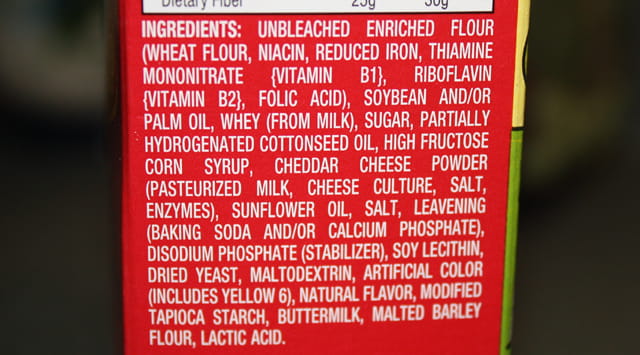
Cheez-Its is not food and I don't give a flying donkey's anus what you think. Yes, it may taste good, but taste alone does not determine its stance as true sustenance. Though you should limit overly processed foods (OPF) as much as possible, I realize it is damn impossible to completely eliminate them. Unless you live on a mountain and live with goats, you probably go to the grocery store like every other civilized human being. To give you an idea of what an OPFs food label looks like, take a gander:


Ritz crackers. Crack yourself over the head if you eat this. Source

I don't expect anyone to avoid OPFs completely (unless you have a disease, allergies, malabsorption issues or just feel like it) because doing so is very unrealistic. If you can read this blog, you probably eat OPFs. Just keep it to a minimum, 20% per day at the most and fill in the rest of your day with real food.

If you need help determining what real food is, take a look at the ingredient label. All real food have one ingredient. Here is an example:


Guess. And no, it is not a Cadbury's vanilla egg candy. Source

Some real foods have a few ingredients. Here is an example:


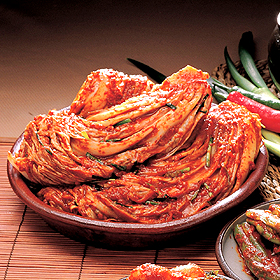
Bloody claws from a salvaged hyena. Or kimchi. Source

Kimchi has a handful of ingredients, but it traditionally contains only things you can find in a natural state. Garlic, scallions, cabbage, red pepper powder (questionable, sure, but I give it the benefit of the doubt), salt. Beware of impostor kimchi that uses monosodium glutamate and Buddha knows what else, which brings me to my next point.

Quality

Not all chickens are created equal nor do they taste the same after cooked. You don't have to be a rocket scientist to know that chickens treated inhumanely scores lower across the board compared to a naturally raised chicken, unless you are on terrible budget that prevents you from eating natural chickens. If this is the case, then stop making it rain in the strip club.


Less chicken, more feces. Source

The source of the above picture, University of Colorado, states that the " primary environmental concerns at concentrated animal feeding operations (CAFOs) arise from the generation of large amounts of animal waste and as a result of the large scale of operations.    In general, animal waste is collected and stored in lagoons.
The concentration of the waste and the lack of treatment typically results in powerful odors and air pollution." Population of these CAFOs can exceed 1,000 units. Wait, units? Yes, animals are just seen as disposable pieces of meat. They get no love. Do you want your food to wade around in their own feces? Or better yet, in their neighbors'? Trust me, if you care about your health, you care about how your food is treated. Thus, you care about the quality of your food. 

Here is another reason why you should care about where your food comes from: pesticides and insecticides are preferably stored in adipose (fat) tissue of animals. Even after slaughter, harmful chemicals are still found in adipose tissue (5). Some known harmful chemicals, like dioxin and polychlorinated biphenyls (PCBs), selectively stay in poultry livers. Not that you should eat chicken livers, but since the liver is the processing plant of the body, it could be theorized that if high amounts of toxins are found in conventionally raised chicken livers, then they could be found in adipose tissue (6). So if you are not catching my drift, I am basically saying that pesticides/insecticides are not something you should eat. The last thing you want topping your bacon is Round-up. 


Let's use me as an example of how food quality can affect the body. Ever since I was young, I was terribly intolerant to lactose, the sugar found in milk. Asians are known for being lactose intolerance, and in this regard, I did not disappoint my heritage. One sip of milk from a $3/gallon container of milk sent me rushing to the john and kept me there for a good half decade. Then on one fateful day, I drank an unlabeled jar of milk that was sitting in my mom's fridge. I was in quite the pickle since the only other thing my mom had in her fridge was Kraft's sliced american cheese, orange juice, and carrots. I bite the bullet and drank the milk. I fully expected an onslaught, but the war never came. Later I found out the milk was grass-fed, organic, and local. The farm that produced the milk was a 10 minute drive from the house and I bought a few gallons by putting cash in a community drop box and grabbing the milk from the fridge that was in the barn. So if you were ever wondering how I started my career in nutrition, this is the story. 


Vegetables work in pretty much similar fashion as animal food. The biggest difference is that plants are the liaison between the earth and larger organisms, meaning that no matter where you are on the food chain, plants are the first thing you eat. Even if you are a pure carnivore, the animals you eat ate grass or weeds. In the case of conventional farming, plants are also subject to intense irrigation using pesticides. As a result, many conventionally raised produce may not be as robust as their naturally-grown counter-parts, leading them to spoil quicker. To offset this, manufacturers have to add artificial additives to prolong shelf-life. Going back to the kimchi example: kimchi is an amazing food if created using traditional means. If you make kimchi by using fresh cabbage and then letting it age naturally in a jar for a couple of weeks, it will make both healthier and tastier kimchi than if you were to buy kimchi that was processed in a huge plant with additives to make it taste better. The later process only creates an illusion through taste, but not quality. Ditch the crap.


The list of Sexy Beasts


Let me provide you with a short and non-exhaustive list of food that I try to keep in stock at all times. I am an omnivore now and I center my diet around high-quality protein sources from animals. Despite that, I do not consume that much animal meat. The primary reason is because I am friggin' poor. Don't get me wrong, I love animals (I have two dogs) and I am cognizant about how they are treated before slaughtered, but I ultimately care more about myself than a cow. I will go into later how you can be healthy as a vegetarian/vegan, but I prefer to be healthy eating animal meat. Let it be known that I do not push vegetarianism on my blog nor do I admonish it. 


  • Land animal meats, lean: bison, ground beef, chicken breast, pork tenderloin, turkey, duck, rabbit
  • Land animal meats, fatty (make sure to get these organic): pork belly, bacon, chicken thighs, ground beef, beef chuck
  • Sea animal meats: crab, shrimp, mussels, squid, octopus
  • Organic eggs 
  • Some dairy (make sure these are all grass-fed and organic): butter, ghee, cream, cottage cheese, Greek yogurt, yogurt 
  • Other animal products: chicken, beef and fish stock
  • Cooking fats: butter, ghee, beef fat (tallow), organic lard, red palm oil
  • Green leafy vegetables (land and sea): seaweed, broccoli, Brussels sprouts, cabbage, asparagus, cauliflower, carrots, celery, kale, Swiss chard, collard greens, beet greens, etc.
  • Some fruits (not all fruits are created equal): tomatoes, cucumbers, raspberries, blueberries, blackberries, apricots, pears, etc.
  • Other vegetables: onions, garlic, mushrooms, kimchi, sauerkraut 
  • Starches: white rice, taro, potatoes of all varieties (yams being optimal), oats, quinoa
  • Legumes: black beans, cannellini beans, lentils 
  • Raw nuts and nut butters (eat sparingly): hazelnuts, brazil nuts, almonds, macadamia, pistachios, almond butter, peanut butter 
  • Condiments and spices: parsley, cinnamon, dill, sea salt, ground black pepper, lemon lime, raw apple cider vinegar, ground mustard, Srirachi hot sauce, coconut aminos, gluten-free soy sauce, ginger, turmeric, thyme, rosemary

The above list has 99% real, unadulterated food. It is not an exhaustive list but one that you can use as a guideline. There will be foods that are not on the list that people enjoy eating; some of those foods are healthy, some are not. Also be aware that not all foods on this list are appropriate for all goals. Fret not for anything that gets you healthy and closer to your goals is a sexy beast. 

No matter what your goal is, emphasize real food. Good health supports good health.

Have a comment? Drop a line.

Sources


1. Xydakis AM, Case CC, Jones PH, et al. Adiponectin, Inflammation, and the Expression of the Metabolic Syndrome in Obese Individuals: The Impact of Rapid Weight Loss through Caloric Restriction. JCEM. 2004, 89(6). 


2. Imayama I, Ulrich CM, Alfano CM, et al. Effects of a Caloric Restriction Weight Loss Diet and Exercise on Inflammatory Biomarkers in Overweight/Obese Postmenopausal Women: A Randomized Controlled Trial. Cancer Res. 2012, 72.


3. Fabricatore AN, Waldden TA, Higginbotham AJ, et al. Intentional weight loss and changes in symptoms of depression: a systematic review and meta-analysis. International Journal of Obesity. 2011, 35:1363-1376.

4. Curioni CC, Lourenco PM. Long-term weight loss after diet and exercise: a systematic review. International Journal of Obesity. 2005, 29:1168-1174.

5. Glynn AW, Wernroth L, Atuma S, et al. PCB and chlorinated pesticide concentrations in swine and bovine adipose tissue in Sweden 1991–1997: spatial and temporal trends. Science of the Total Environment. 2000, 246 (2-3):195-206.

6. Ghimpeteanu OM, Militaru M, Scippo ML. Dioxins and polychlorinated biphenyls contamination in poultry liver related to food safety – A review. Food Control. 2014, 38:47-53. 

Thursday, January 9, 2014

Nutrition Austerity Part I: Introduction

Nutrition, for the most part, has come full circle. Despite nutrition almost ending up in the same place, researchers and practitioners now know more about food and its effects on the body. I have also come full circle. While in the past I tried to over-complicate the living hell out of nutrition, I now keep it simple. My austere mind cannot handle the complexity of macrobiotics, food combining, keeping track of ratios and percentages and whatnot all at once.

I was once a vegetarian. A vegan. A raw foodie. I fermented and made my own kefir, yogurt, and coconut kefir. I bought only raw milk, raw cream, and raw cottage cheese. I tried to live as healthy as possible in a world that shoves unhealthy down your throat. In the process, I lost how to truly live healthy: by just eating real food and not over-complicating crap. While a vegetarian, I spent more time figuring out how to appease my bored mind than actually eating. This is no fault of the eating plan itself, but it hinted to me that vegetarianism is not how I wish to live. Now, I abide by a few simple rules, rules that I have come to formulate over time as I grew and learned.

1. Eat real food

2. Eat for your activity levels

3. Time your food for activity levels

4. Support health through proper supplementation and extras

5. The eating plan should fit YOUR lifestyle and preference

6. An eating plan should be sustainable and realistic

Since I don't want this post to manifest itself as a monster, I will keep it short and expand on each topic in later posts. Let's cut to the meat of the topics, though.

I am going to preface this list with: give your new eating plan your best effort. Without that, you are bound to fall short of your goals, which will end up in frustration and eventually failure.

1. Eat real food means eating food that is normally found in its natural state, generally speaking. Things that fall into this category are eggs, beef, poultry, fish, frozen or fresh vegetables, frozen or fresh fruits, nuts, etc.

2. Eat for your activity levels means to eat for how active you are. This also means eating at a point that coincides with your goals. If you train a lot and want to gain size, eat more food. If you are a couch 'tater and want to lose weight, eat less food. If you are train a lot and want to lose weight, eat a lot of food sometimes and a little food sometimes.

In this heading, I will also discuss the gender difference. Wait, do I mean to tell you that women and men should eat differently? WHOA! Mind = blown. This specifically pertains to carbohydrates.

3. Time your food for activity levels mean strategically placing your meals around the most important time of the day: training (if you read this blog, I assume you lift). This means not shoving bagels into your gullet two hours before training.

4. Support health through proper supplementation and extras mean other little things that HELP you achieve total health and fitness. They are in no means substitutes for food or hard work. No magic pill exists to 'shed' unwanted body fat or build slabs of mass. Extras include raw apple cider vinegar and supplementation includes powdered magnesium.

5. The eating plan should fit your lifestyle and preference and not some other internet jock. It's alright to follow a nutrition plan of someone's else who has attained your goal, but there is no doubt that you will have to modify the eating plan to fit your lifestyle and preferences. Not everyone who decides to change their eating is a high-demand photographer nor do they own their own telecom business. You do not need to be a master chef in order to whip up something nutritious and delicious. Something as simple as an southwestern omelet or hard boiled eggs topped with a store-bought pepperonccini sauce makes a good meal.

6. Diets don't work. That is to say, they don't work for the reason most people think they believe it to. Many people believe that in order to see results, they should diet. Sure, you need to change your eating habits if you want to gain mass or lose it, but many people forget one thing: sustainability. Diets do not work for the long-term. For example, studies show that non-obese people who restrict calories even modestly experience a decline in basal metabolic rate (BMR), the amount of calories you burn at rest, over time. This spells out to less weight lost. In some studies, subjects restricted 25% of daily calories and their BMR dropped within 3-months. Not a long time, especially if you are one who used to or continues to diet. Do you want to be a one-hit wonder or stay on top?

Your eating plan, diet, or whatever should be realistic. Set out some realistic goals and put forth your best effort. Your goal should not be to gain 30 pounds of muscle in 2 months or to lose 100 pounds in 6 months. More realist goals would be to gain 5-10 pounds of muscle in 2 months or to lose 30 pounds in 6 months. Seem modest and conservative? That's because your body has defense mechanisms to prevent from changing states too quickly. The drop in BMR I mentioned above is one such mechanism.


Just don't eat too many salads. Source

Want to add to the discussion? Drop a line.

P3,
David

Monday, January 6, 2014

Exercise of the Week: Double Kettlebell Front Squat (DKFS)

From the time I began lifting weights in 2008, I have always tried to become better at whatever I was doing. In the beginning it was to get bigger. Once I realized that I had the genetics of a duck and could not get bigger without a ridiculous amount of effort, I modified my goals to become stronger about 3 years ago. Back then, I kept searching for the 'perfect' plan. Now, any one with a right mind for fitness will tell you that there is no such thing as a 'perfect' plan. Indeed, no such thing exists precisely because 9 times out of 10, the person who created the program is different from you. I say 9 because there is a person out there who can get great results using any given program rep for rep.


This duck probably has better athletic genetics than me. Source


So where am I going with this? Because while I have given up on searching for the perfect plan, I have not given up searching for the perfect exercise. Again, no such thing as a perfect exercise exists, but there are a few that are pretty damn close. Why the difference? Because a plan can have an infinite number of modifications depending on the executor while the exercise can only be performed through a small handful of ways: good, alright, or poor form. Being the free-weight enthusiast that I am, I tend to gravitate towards exercises that use barbells, kettlebells, dumbbells, and bodyweight.

A friend and member from the gym where I work once said to me, "dude, all you do is squat. Even on bench day, you squat." My love for squats is borderline absurd and if I could do them and get a stronger bench press without actually bench pressing, I would do them all night long. Loving the squat and doing them consistently is what got me to a near triple bodyweight squat.

What is one exercise I keep in my arsenal to improve my squats? Enter the Double Kettlebell Front Squat (DKFS). Pavel Tsatsouline, one of the pioneers of kettlebell training in the United States, and Dan John, a legendary strength coach, call the DKFS one of the "best" squat exercises. DJ considers the DKFS a "sign from heaven that [a workout with the DKFS] was going to be a hard workout".

Why should you do the EOW?

Put simply, it is one of the most athletic movements you can possibly do. Athletic movements have this inherent quality to make you more athletic--mind-blowing, right? And since in some athletic sports, having strength and power are required to succeed, then athletic movements fit the bill to be an amazing exercise. Not only that, the DFKS can put some serious size on your upper-body. A squat for upper-body size? Try it and see how difficult it is to stabilize a pair of heavy bells. They force you to squeeze every muscle in your shoulders, arms, and middle back, creating a isometric force that is sure to put on some quality size and strength.


(I will upload videos later. For some reason, YouTube is not allowing me to add videos to the blog)

The key to making the most of this exercise is to 'brace' your trunk, taking a semi-deep breath and tightening up the middle as if you're about to receive a gut check. Breathe out through 'pursed' lips (as if trying to blow into a whistle) as you come up or breathe in and out completely at the top of the movement. 

How should you include the EOW into your program?

If it's not already in your program, then you can include this through a couple of ways.

Full-body training: use it as the primary squat movement for any given day. 

Split-body training: use it as an assistance squat exercise on any lower day. 

What about reps and rest?

DKFS should not be 'grinders', meaning they should not take more than 2 seconds to complete a rep. They respond best to 5-10 reps, 8 probably being the magic spot for most people. Experiment to see how you like doing it. Strive for at least 25 total reps with this movement. 

Rest as long as needed to catch your wind, but no more than 2-minutes.

What is a good standard?

Males: Half of bodyweight total is a good standard. However, I feel that the gold standard should be your bodyweight from both bells. The biggest hurdle to achieving the gold standard is cleaning the bells up to the rack position.

Females: I would have to say that 40-50% of total bodyweight is a good standard and that 80% is the gold standard. 

Try out the EOW and comment back to see how you liked it. 

P3,
David 


Friday, January 3, 2014

The Three P's

What does 'fit strength' or 'aesthetic athletics' mean?

I compete in powerlifting. Not surprisingly, many common folks believe powerlifters are fat, slow, have terrible conditioning, but possess great strength. To a varying degree, this is true. What more, in the past, it was probably even more true. Granted, the greatest powerlifters of all time (Coan, Captain Kirk, Dan Austin, Kuc) had great conditioning. After all, powerlifting competitions can last anywhere from 6-12 hours depending on how many are competing. The problem with the sport was the leverages mattered. Meaning, if you were a lard with a big ass gut, your bench had a shorter range of motion than a leaner person. Some of these tub-o-fats were successful, but most weren't. But now, even lower caliber powerlifters are becoming better powerlifters because they are focusing on their conditioning more. Yet, you will still see behemoth powerlifters whose bellies are bigger than their bellow. 


Capt Kirk, before Photoshop was conceived. Courtesy of T-Nation

Louis Simmons, founder and owner of Westside Barbell and probably the greatest multi-ply powerlifting coach of all time, is a huge proponent of proper conditioning for his athletes. He believes that conditioning not only improves strength, but also improves recovery because it assists in working neglected muscle groups during powerlifting specific training. I agree. How can I not? This fellow has churned out more 1,000 pound squatters than any other person in history. 

Though I do not compete geared (single and multi-ply), conditioning strategies are one and the same with raw competitors. And to tell you the truth, I feel that everyone should work on their conditioning. If you have a protruding gut and have a hard time walking up a couple flight of stairs, my finger is pointed at you. If your goal is to be healthy and strong (which it should be), then you want to condition and strengthen at the same time. Certainly, this is relative. If you are an elite powerlifter, then you will need to focus on your actual sport more than conditioning. Likewise, if you are a novice lifter looking to just get into shape, you can get away with conditioning and strength training and see results. 

In future posts, I will also talk about how you can improve fat-loss results while also improving your conditioning. Don't expect miracles, though, and don't expect to become stronger with just conditioning compared to dedicated strength training.

My Three P's: Performance. Progressive. Preventative.

Asides from actual state of lifting, you should LOOK like you lift, or at the very least, exercise. All too many times, you have people brag about how they did this or that in the gym yet have nothing on their bodies to show for it. How does someone slave away at the cardio machines and not see any changes? Simple. Their bodies are used to it. Look to perform. 

Yet another caveat arises. How do you want to perform? But because my target audience of this blog are those who wish to get healthier, stronger, leaner, and more muscular, I will be talking about gaining muscle, losing fat, and being a general athletic bad ass.


Don't ask how old Mark is. He is older than you. Source


And this guy. Think he performs? Source.

Performance is the name of the game. In order to see results, you MUST perform well. In anything you want to see results in, you MUST perform well. Then, after performing well, you must perform even better than well. But what does performing well mean? Every person has a different definition for each term in fitness and sometimes it drives me nuts. Note, I don't get upset necessarily, just have an impulse to face palm. Performing well in my book means that you can run, lift, jump, and sprawl on demand and execute activities of daily living (ADL) with the least amount of hassle. In extreme words, you should be in shape enough to fight in a war tomorrow if you got drafted yesterday. Performing well also extends beyond physical capabilities. Are you MENTALLY prepared to perform? Can you handle daily tasks thrown at you that require the use of your brain? Are you challenging your mind with various tasks or are you living a mundane life? Can you shrug off a noisy and ignorant boss who uses people as tools and discards them when they are no longer useful?

Progressive is the second name of the game, because in order to perform well, you must progress from not performing well. But here's the thing, you can perform without progressing beyond a certain point which is a disincentive for betterment . Look at all the people in 30-person, 1-hour group exercise classes. They look and perform the same day-in and day-out. Some have nice bodies, most don't. Many of them can perform ADLs, so in this regard, they can perform. But put them into a situation where they have to call forth physical and mental fortitude. Many of them will crumble underneath the weight of the task. EVERY single HEALTHY person should be able to squat with an appreciable external weight (half of their bodyweight), do a single chin-up, jump up a 2-foot box, sprint, crawl, and do a few push-ups. These same people who are doing 1-hour of push-ups can't do a single GOOD push-up if their lives depended on it. These people need to get with the program and progress.


Most group exercise classes suck. Source

Preventative. "Let food by thy medicine and medicine by thy food", said the famous Hippocrates. Prevention is the third point on my P-triangle. To prevent is to prevent injuries, prevent disease, and prevent weakness from emerging. Of course, you can't prevent any of these with absolute certainty, but the key here is to reduce the risk. Lifting reduces the risk of injuries, diseases, and both physical and mental weakness. Eating well does the same. Not surprisingly, certain foods increase the risk of injury. I will delve into this more in the future, but some foods cause inflammation which then increase the risk of injury. 

Does having the ability to lift heavy things make you more confident? Does it improve your physical and mental conditioning? Do you see lifting a certain amount of weight a goal or would you rather be stuck lifting 2# pink dumbbells in a group exercise class?

Drop a line.

SBL,
David

Thursday, January 2, 2014

In the Beginning...

Welcome to my blog, Fit Austerity. My name is David and this is my journal and communications device with my readers. Here is my disclaimer:

I AM NOT A MEDICAL DOCTOR. The purpose of this blog is to inform, not medically diagnose. Though there are suggestions on my blog about nutrition, exercise, and lifestyle interventions, they are by no means instructions to change your life. Before embarking on any of the suggestions, CONSULT YOUR PRIMARY CARE PHYSICIAN or another qualified healthcare professional. I will not be held responsibility for any changes you make to your diet and life.

Consider this an introduction post, a way to get to know me, which direction I am headed in, and in which direction I want you to head in given you follow this blog. I have a few good directions for this blog, all forward (but sometimes backwards in order to progress). First and foremost, this is a blog about life, fitness, and nutrition.

Who am I?

I am 27 years old, work as a personal trainer at a commercial gym and also do private training. I am a graduate of New York University with a Bachelors in Nutrition/Dietetics. Currently, I am studying to become a Registered Dietitian. Some call me 'ambitious' and a 'dreamer'. I admit I do tend to dream and my goals sound preposterous, especially to my wife, and many times I have to modify or eradicate them. Nonetheless, I hold fast to my passions: fitness and nutrition. I was born in Baltimore, MD and currently live in New York with my wife, Ji Hee, and two dogs.

Unlike most involved in athletic training, I have a terrible athletic background and my genetic predisposition for athletics is severely lacking. I played various sports--baseball, football, soccer, track, Ultimate Frisbee, flag-football, softball, volleyball, and table tennis--but was only successful in a couple of them, table tennis being one. From 7, I cultivated a cannon arm, decent hand-eye coordination, and quick feet. I got the arm from playing wall ball with friends, hand-eye coordination by playing backyard basketball with a bottomless milk crate, and quick feet by running from stray dogs. The arm allowed me to once-upon-a-time throw 90 MPH fastballs; the hand-eye coordination once allowed me to succeed in table tennis and grab 2nd place in a local tournament; and the legs allowed me to run an unofficially timed 10.7 100M sprint. People used to say, "you're naturally athletic". I disagree fully. If you were with me from when I lived in Baltimore, exercise was a natural part of my daily life and that consistency was what forced physical adaptation. Becoming athletic for most is about consistency, effort, and patience.

Now, I lift heavy things and put them down. I love lifting and compete in powerlifting. I have been doing it for five years, from the time I decided to become strong and fit deliberately. When I was in the military, I became a bit lazy, became skinny-fat. I went from 129 pounds to 170, but most of the weight went straight to the gut. I could no longer run as fast as I could, was no longer as agile as I once was, and because I didn't practice throwing, I lost the arm. No matters, throwing hard and fast with reckless abandon would have led me down a path to shoulder surgery. But not running fast was something I sorely missed. Hence, I started lifting. This is the short story, but as this blog blossoms, I will talk about how I used to train. My training now nowhere resembles what I used to do because it is smarter, more efficient, and delivers more results.

My training philosophy revolves around 'fit strength'. My clients and the people I work with exhibit not only strength, but also athleticism. What does athleticism mean? The ability to carry tasks of daily living with little effort, maintaining a high quality of life, and displaying acts of agility, mobility, and strength. Strength is an individual term that signifies the ability to lift heavy things, that in turn contributes to athleticism.

My actual training consists of athletic movements: squats,deadlifts, swings, presses, bodyweight movements like chin-ups, pull-ups, push-ups, dips, and jumps.

As a result of my training, I currently hold the New York state powerlifting record with the World National Powerlifting Federation (WNPF). At a bodyweight of 148 lbs, I have officially posted a 425 squat (belt and knee wraps), a 265 bench press, and a 465 conventional deadlift (belt).

THE TOPICS

Life. I am relatively young compared to people who talk about life. But having been in the active duty United States armed forces (Air Force) for six years, fresh out of high school, I feel that I have more perspective than some others my age. As such, I will speak about life whenever I feel the need arises.

Fitness. Since the 1970's, fitness has boomed and practically transformed into a multi-billion dollar industry. This is a double-edged sword: many people are trying to get healthier and fit but such as there is a jungle of exercises out there, so is misinformation. The goal of this blog in regards to fitness is simple, it is austere. It is to provide austerity and clarity in the face of a choking fog of fitness information. Every one has an opinion and many consider themselves 'experts'. I do not consider myself an 'expert', but I do consider myself knowledgeable in some areas of fitness. I will talk on these.

Nutrition. This is my bread and butter. I love everything related to food and nutrition. Unfortunately, nutrition once started out as a sincere desire to get people healthy but as since then spiraled into chaos and branched off into a multitude of directions, each with its faction of followers. Many of these factions are at war with each other, considering themselves superior to others. While some eating plans are better than others, I feel there is too much delineation within nutrition. The goal of this blog is to bring together the best aspects of nutrition, make it simple, and make it work for you. Many times, I will delve into research, but I also realize that research is far from perfect; it is a proxy starting point. Yet, research can apply practically. For example, research has shown repeatedly that you must eat less in order to lose weight. That is the most simplistic saying in all of nutrition. Yet, research is beginning to find that is only the beginning. You can eat like a rabbit for a while and lose weight, but what happens later? In short, it's just more than calories, it is the whole picture, a lifestyle of eating. My eating is unconventional. In other words, I do not follow the government guidelines, MyPlate.

I will go into further detail in future topics, but there is the gist of my eating plan:

- I do not advise eating 45-65% of your daily calories through carbohydrates unless your lifestyle and activity calls for it (endurance running)
- I do not advise keeping your protein intake low at 0.8g/kg/day unless you are suffering from severe kidney disease without dialysis
- I do not advise eating industrial cooking oils that are high in polyunsaturated omega-6 fatty acids (corn, canola, safflower, sunflower, peanut, cottonseed, etc)


That's enough information for the first post. I hope you stay with me for a while. Drop me a line.

SBL,
David